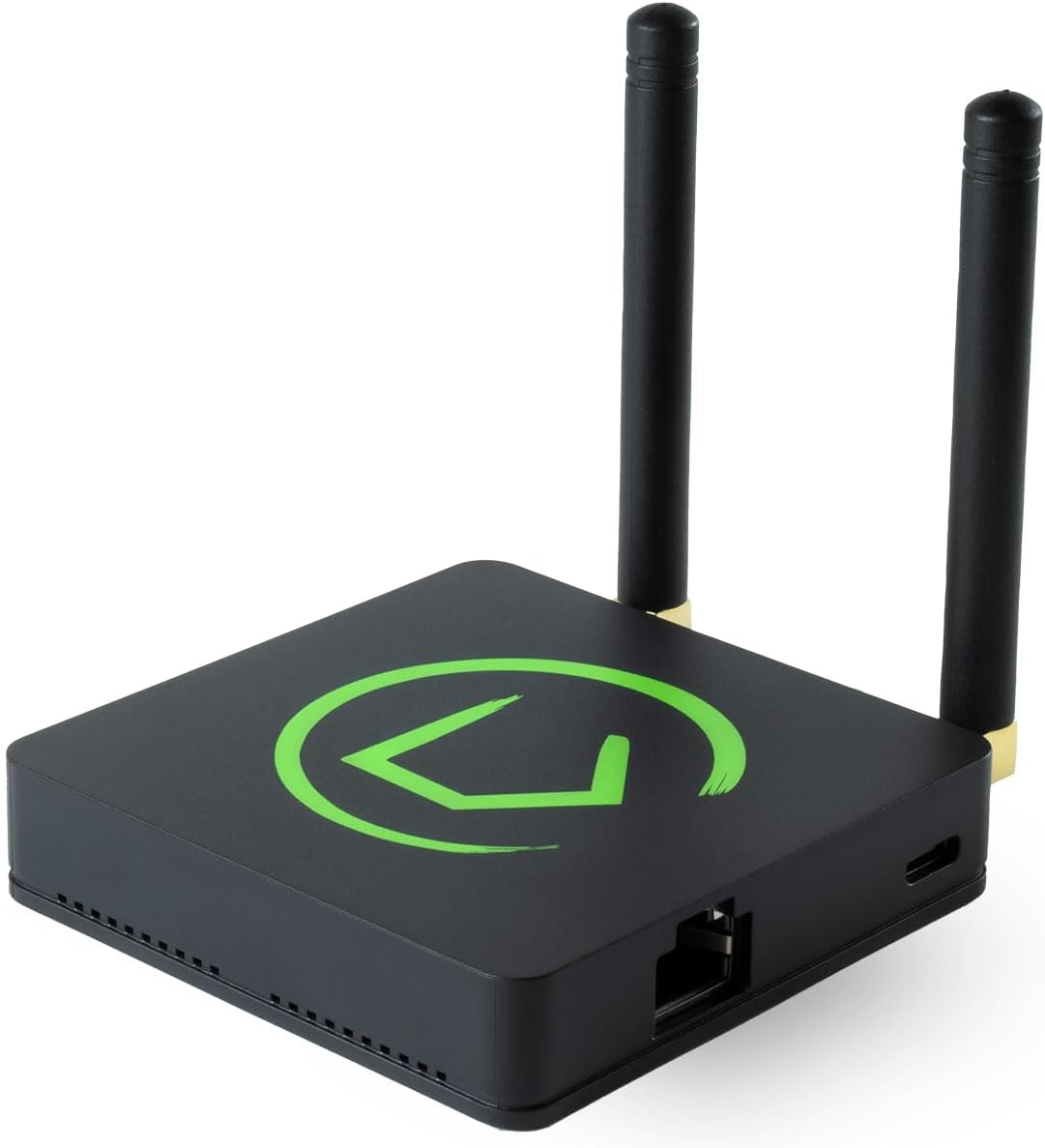
Smart Garage Electrical Capacity: EV Chargers, Tools, and Load Planning Done Right
Garages today are no longer passive storage spaces. They increasingly host high-load equipment such as electric vehicle chargers, air compressors, welders, heaters, and battery systems. Many garages, however, were wired decades ago for little more than lighting and a door opener.
Smart garage electrical planning is about understanding limits before something trips, overheats, or fails. Good planning prevents nuisance outages, damaged equipment, and unsafe conditions.
This article explains how to evaluate garage electrical capacity, how smart monitoring helps manage load, and how to plan upgrades without guesswork.
Why Garage Electrical Capacity Is Often Inadequate
Most residential garages were not designed for sustained high electrical loads.
Common limitations include:
- Shared circuits with interior rooms
- Small subpanels with limited amperage
- Long feeder runs causing voltage drop
- Outdated breakers and wiring
Adding modern equipment without evaluating these limits often leads to tripped breakers, overheating conductors, or unreliable operation.
Understanding Continuous vs Intermittent Loads
Electrical planning must distinguish between load types.
Continuous loads:
- EV chargers
- Space heaters
- Battery charging systems
Intermittent loads:
- Air compressors
- Welders
- Power tools
Continuous loads stress electrical systems far more and must be sized with additional safety margins.
EV Charging in the Garage
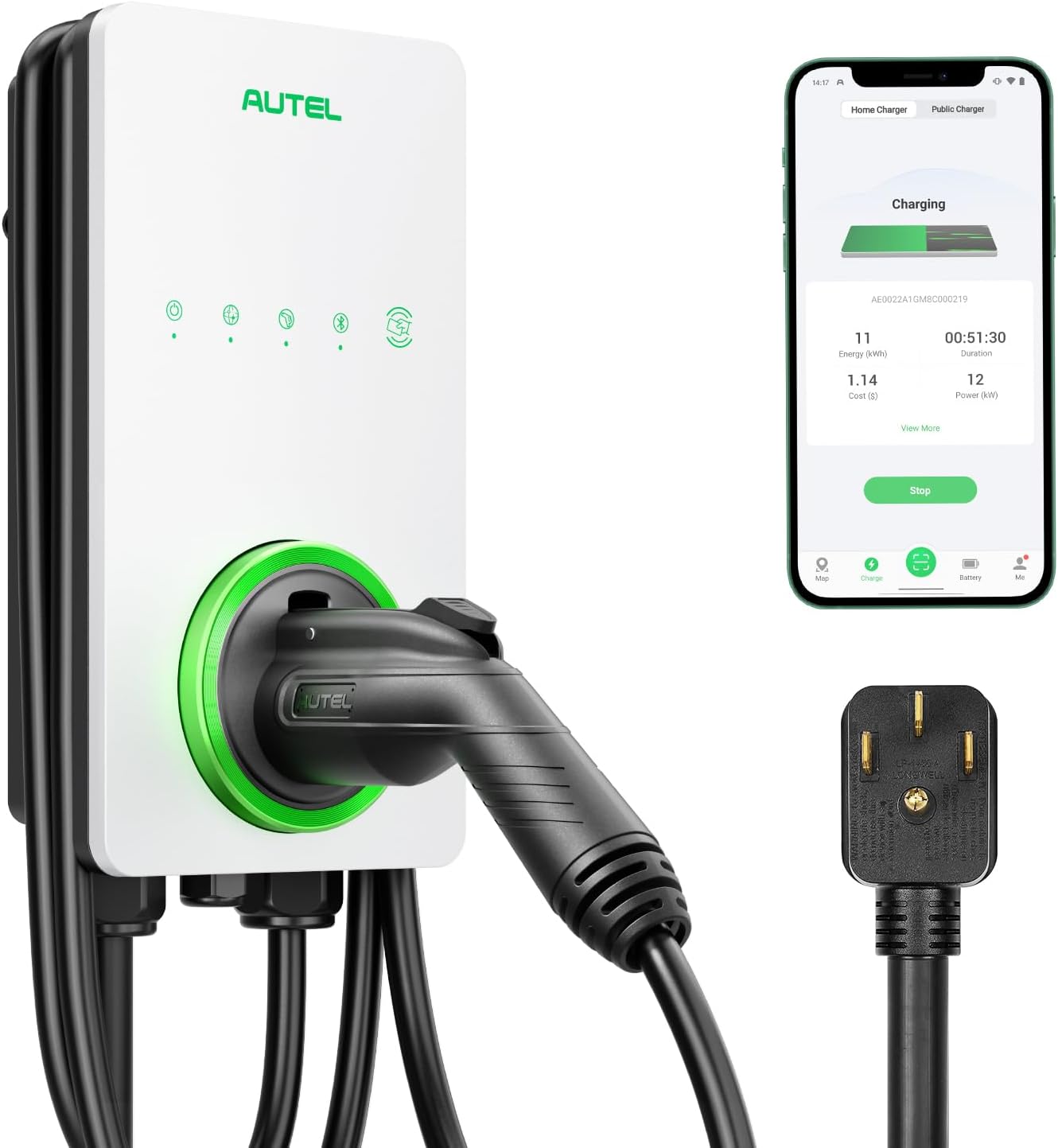
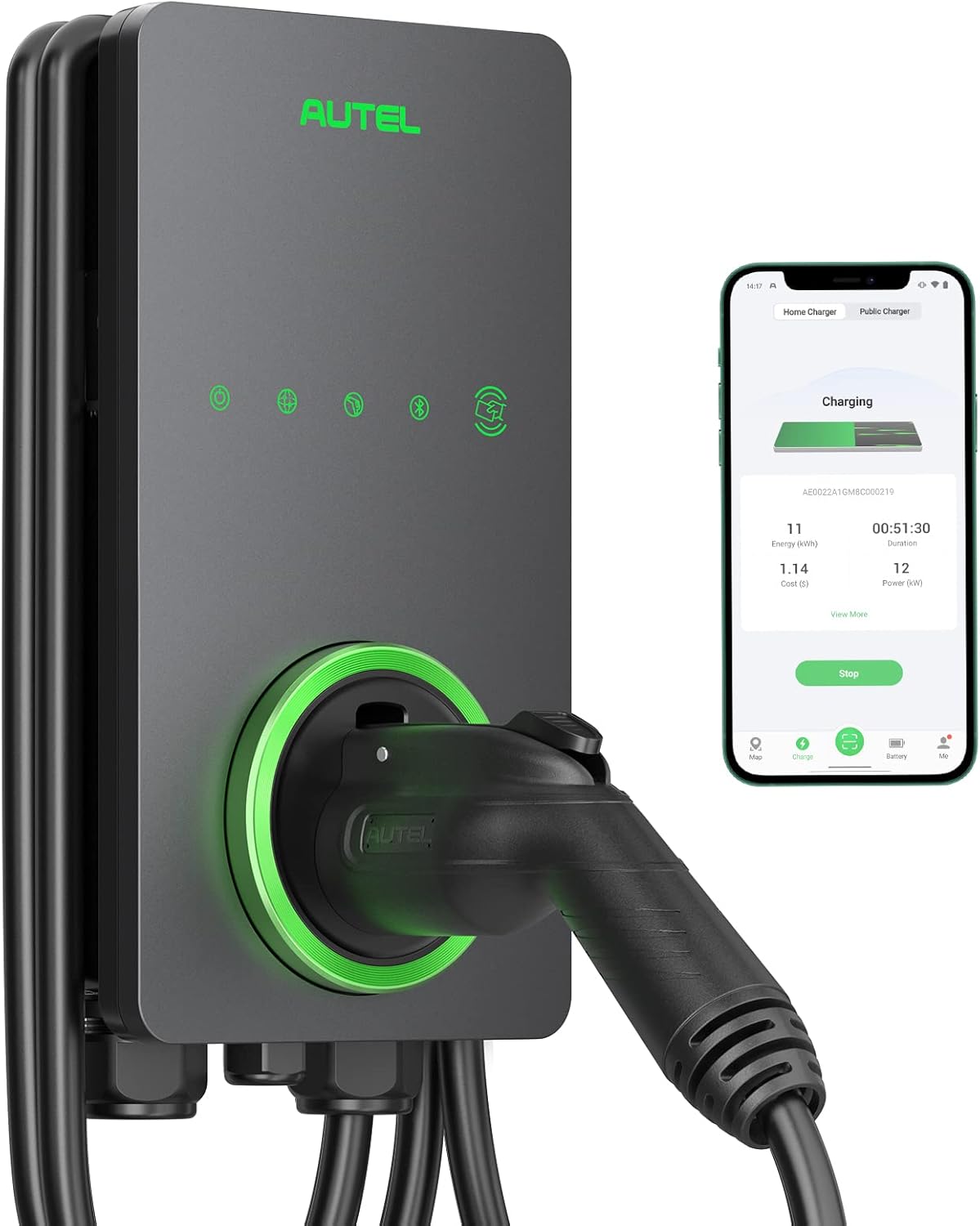
EV charging is the most common reason garages exceed their original electrical design.
Important considerations include:
- Charger amperage and duty cycle
- Panel capacity and breaker sizing
- Voltage drop on long runs
Smart EV chargers and monitoring systems allow dynamic load adjustment and scheduling to avoid overload conditions.


Managing High-Load Tools and Equipment
Garages used as workshops place additional strain on electrical systems.
High-demand equipment includes:
- Compressors with high inrush current
- Welders with variable loads
- Large heaters or dust collection systems
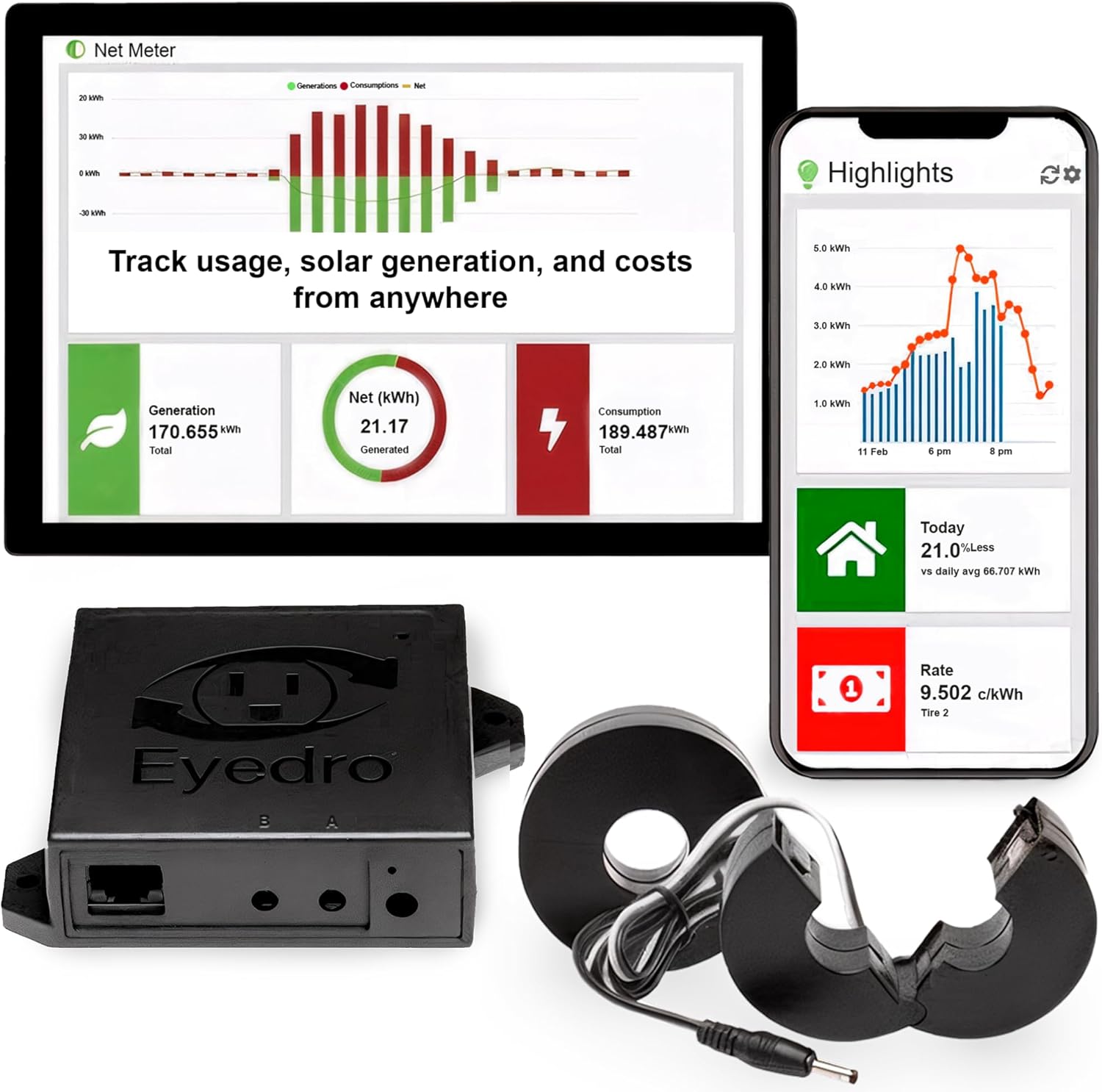
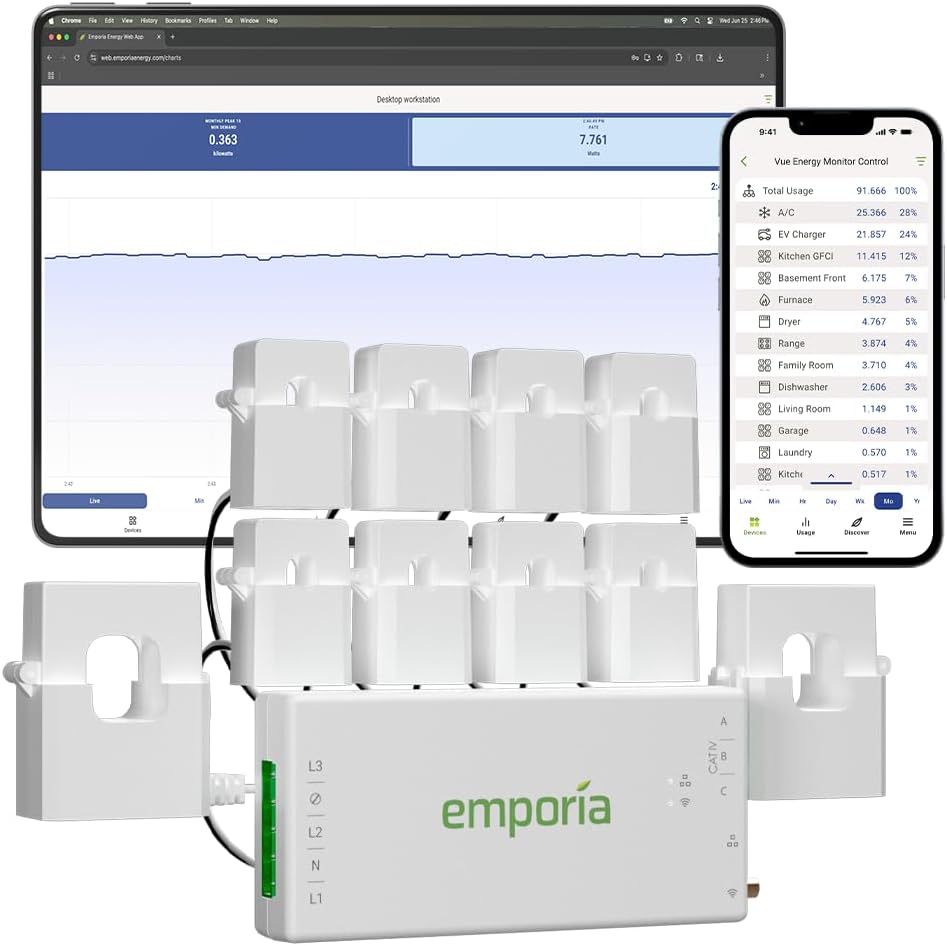
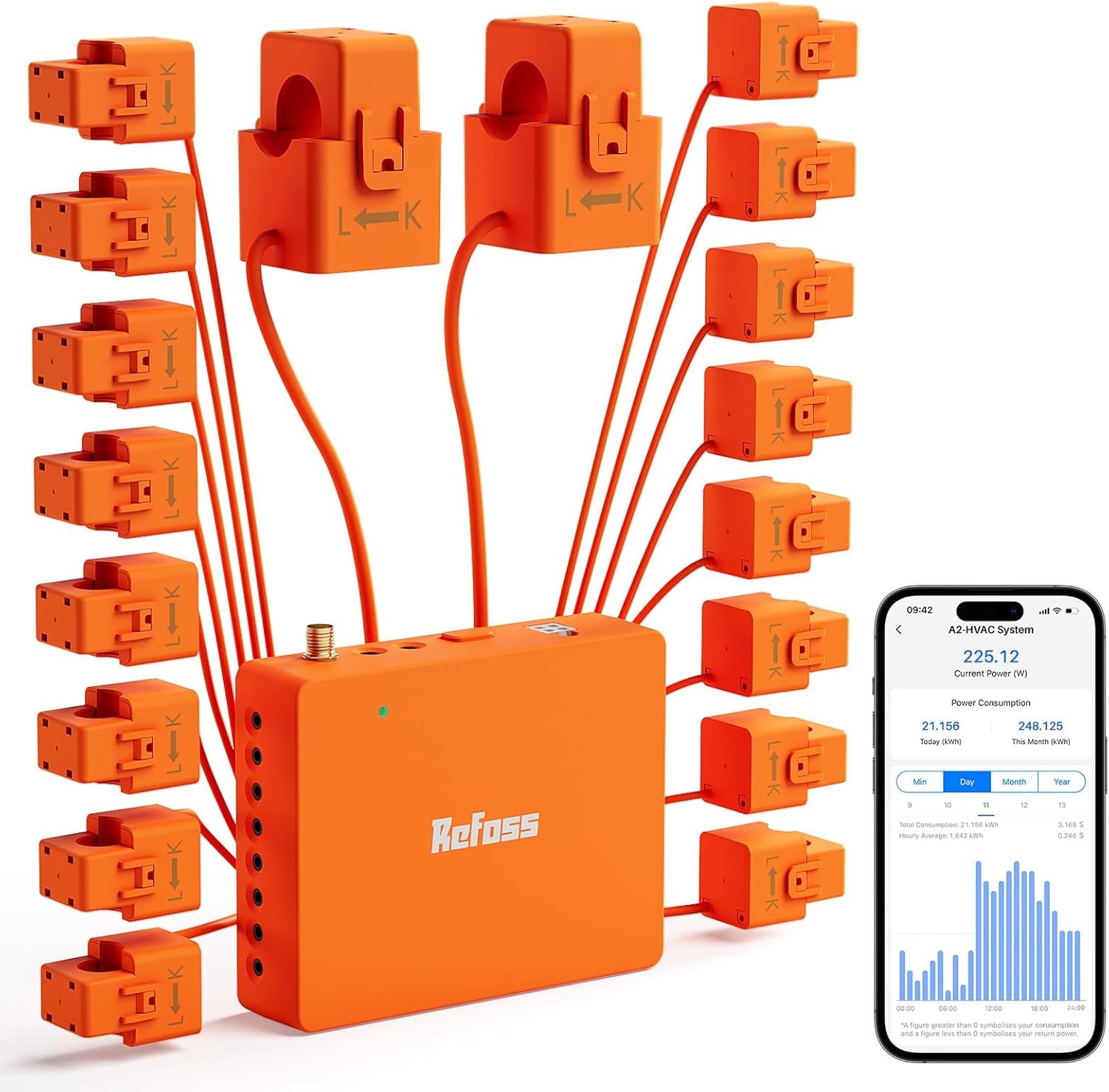
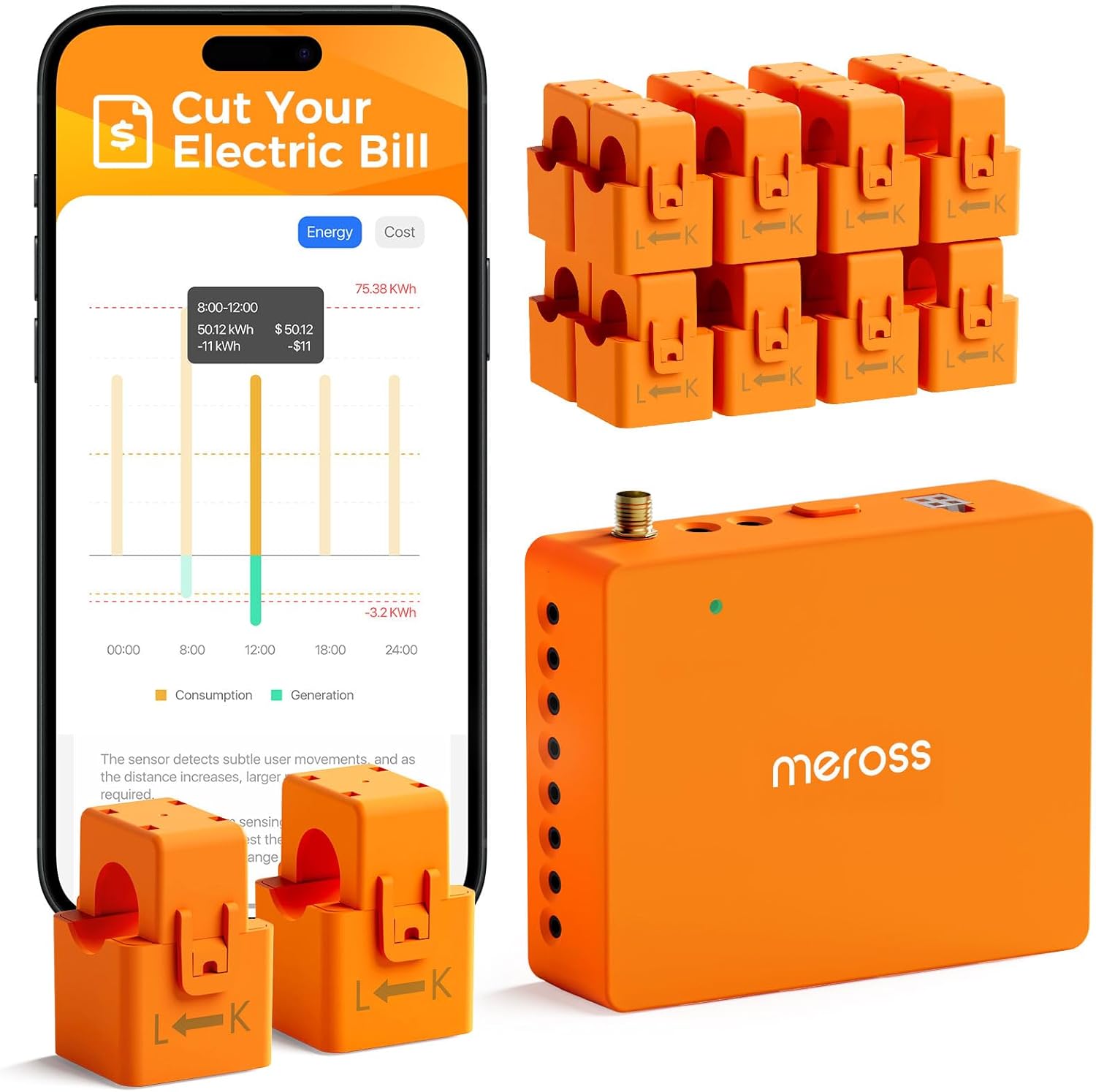
Smart power monitoring helps identify when loads overlap in unsafe ways and provides data for smarter scheduling or upgrades.
Load Monitoring and Demand Awareness
Monitoring electrical load provides real-time visibility into system stress.
Benefits include:
- Identifying peak demand periods
- Detecting abnormal current draw
- Preventing nuisance breaker trips
This information allows users to adjust usage patterns or plan capacity upgrades based on real data instead of assumptions.
Panel Upgrades and Subpanel Planning
When existing capacity is insufficient, upgrades may be required.
Common solutions include:
- Installing a dedicated garage subpanel
- Upgrading feeder conductors
- Adding load management devices
Smart monitoring helps justify and size these upgrades correctly.

Automation and Load Scheduling
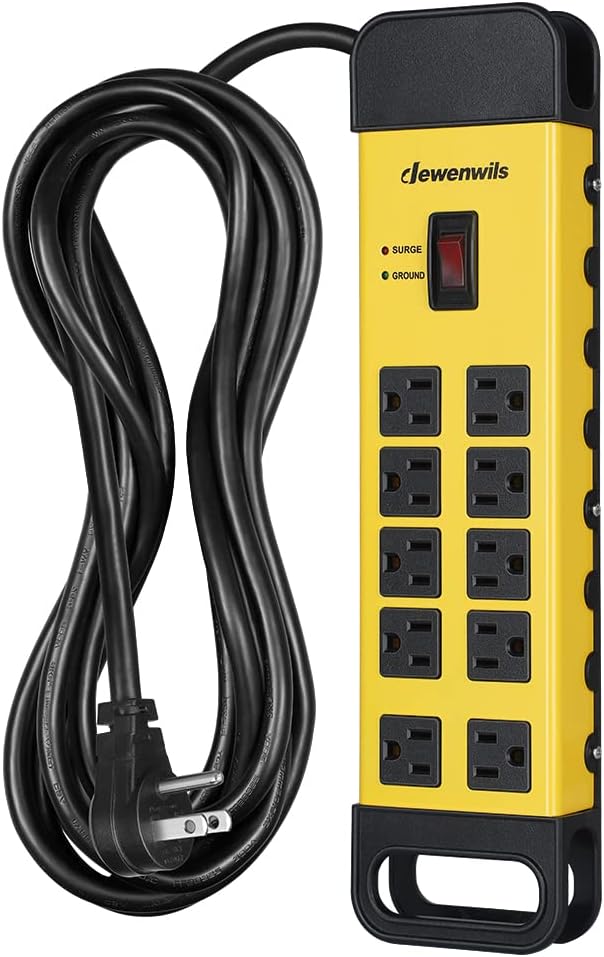
Automation can reduce peak load without reducing capability.
Examples include:
- Scheduling EV charging during off-peak hours
- Preventing tool operation while charging
- Pausing non-critical loads during high demand
This approach often avoids costly panel upgrades while maintaining usability.
Common Electrical Planning Mistakes
- Assuming breakers protect against overload planning
- Ignoring voltage drop on long runs
- Stacking continuous loads
- Skipping professional evaluation when needed
Final Takeaway
Smart garage electrical capacity planning combines awareness, monitoring, and intentional upgrades. By understanding load behavior and using smart monitoring tools, garages can safely support modern equipment without unexpected failures or hazards.
Related Products