Smart Garage Environmental Monitoring: Temperature, Humidity, and Flood Protection
Environmental damage in garages rarely happens all at once. It happens slowly, quietly, and out of sight. Temperature swings, humidity buildup, minor water intrusion, and exhaust gases cause long-term damage that often goes unnoticed until it becomes expensive.
Garages are especially vulnerable because they are frequently unconditioned spaces, exposed to outdoor air, and built with fewer safeguards than interior rooms. Smart environmental monitoring exists to detect these slow-moving problems early.
This article explains:
- Which environmental conditions matter most in garages
- How sensors detect damaging trends
- Why garages need different monitoring than living spaces
- How to integrate environmental awareness into a smart garage
Why Garage Environments Are Hard on Equipment
Unlike interior rooms, garages are exposed to wide environmental swings.
Common stressors include:
- Rapid temperature changes between day and night
- High humidity from vehicles and outdoor air
- Condensation on cold metal surfaces
- Minor water intrusion at floor level
Over time, these conditions cause rust, corrosion, electrical degradation, and mold growth — even if the garage appears “dry� most of the time.
Temperature Monitoring: More Than Freeze Protection
Temperature sensors are often installed only to prevent freezing, but temperature extremes cause damage well before pipes burst.
Monitoring temperature helps prevent:
- Battery degradation from excessive cold
- Electronics failure from heat buildup
- Lubricant breakdown in tools and equipment
- Condensation cycles caused by rapid swings
Smart garages track both absolute temperature and rate of change, allowing alerts before conditions become harmful.
Humidity Monitoring and Corrosion Risk
Humidity is one of the most damaging — and most overlooked — environmental factors in garages.
High humidity leads to:
- Rust on tools and vehicle components
- Corrosion of electrical connections
- Mold growth on stored items
- Degradation of cardboard and packaging
Smart humidity monitoring detects sustained moisture levels and alerts before corrosion becomes visible. In many cases, simple ventilation adjustments can prevent long-term damage once the problem is identified.
Flood and Water Intrusion Detection
Garages are often the lowest point in a structure, making them vulnerable to water intrusion.
Flood sensors detect:
- Foundation seepage
- Snow melt accumulation
- Plumbing leaks
- Blocked floor drains
Even small amounts of standing water can damage tools, vehicles, and stored materials. Early alerts allow cleanup before water spreads or wicks into walls.
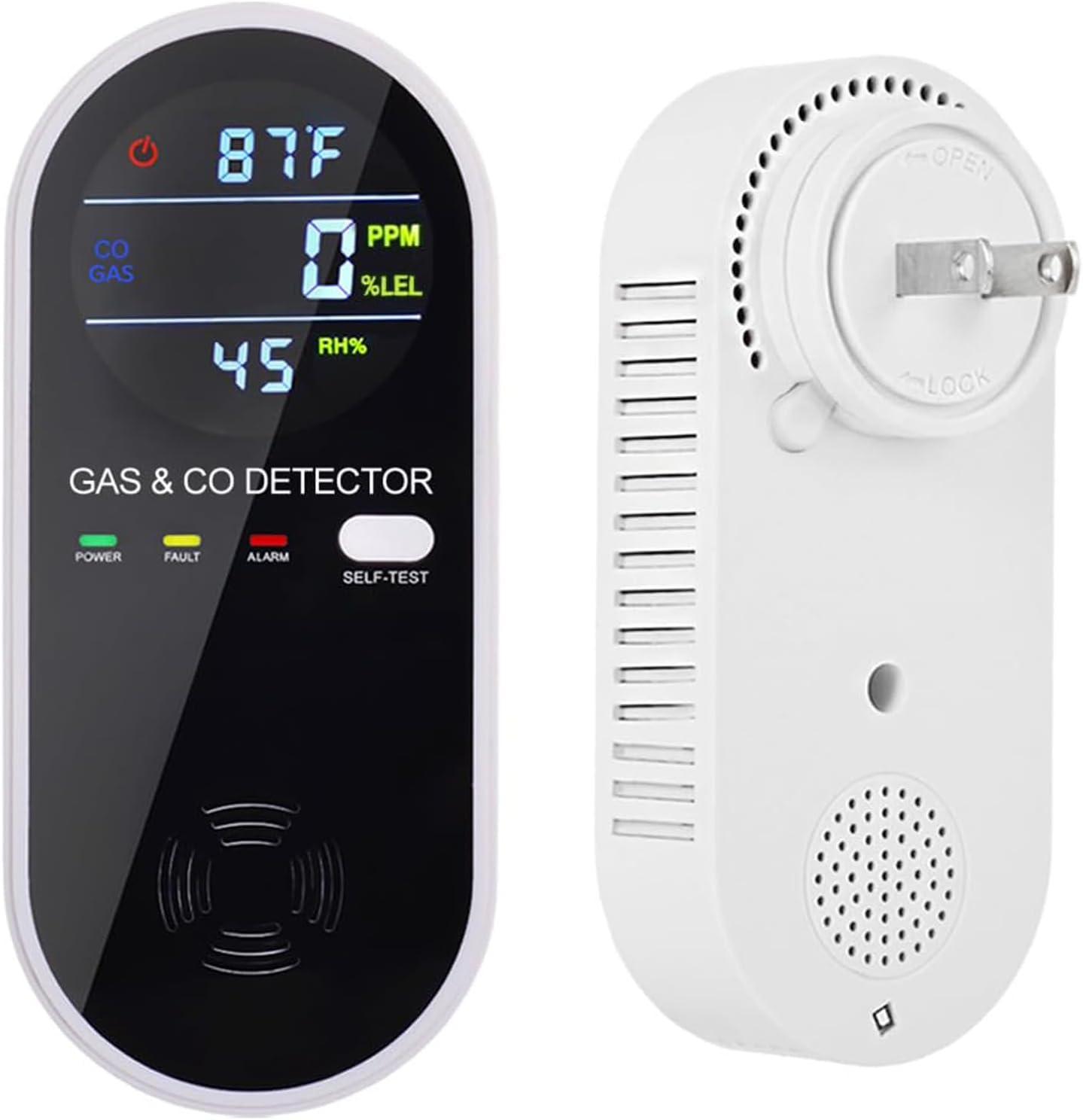
Carbon Monoxide and Air Quality Concerns
Attached garages introduce additional risks related to exhaust gases.
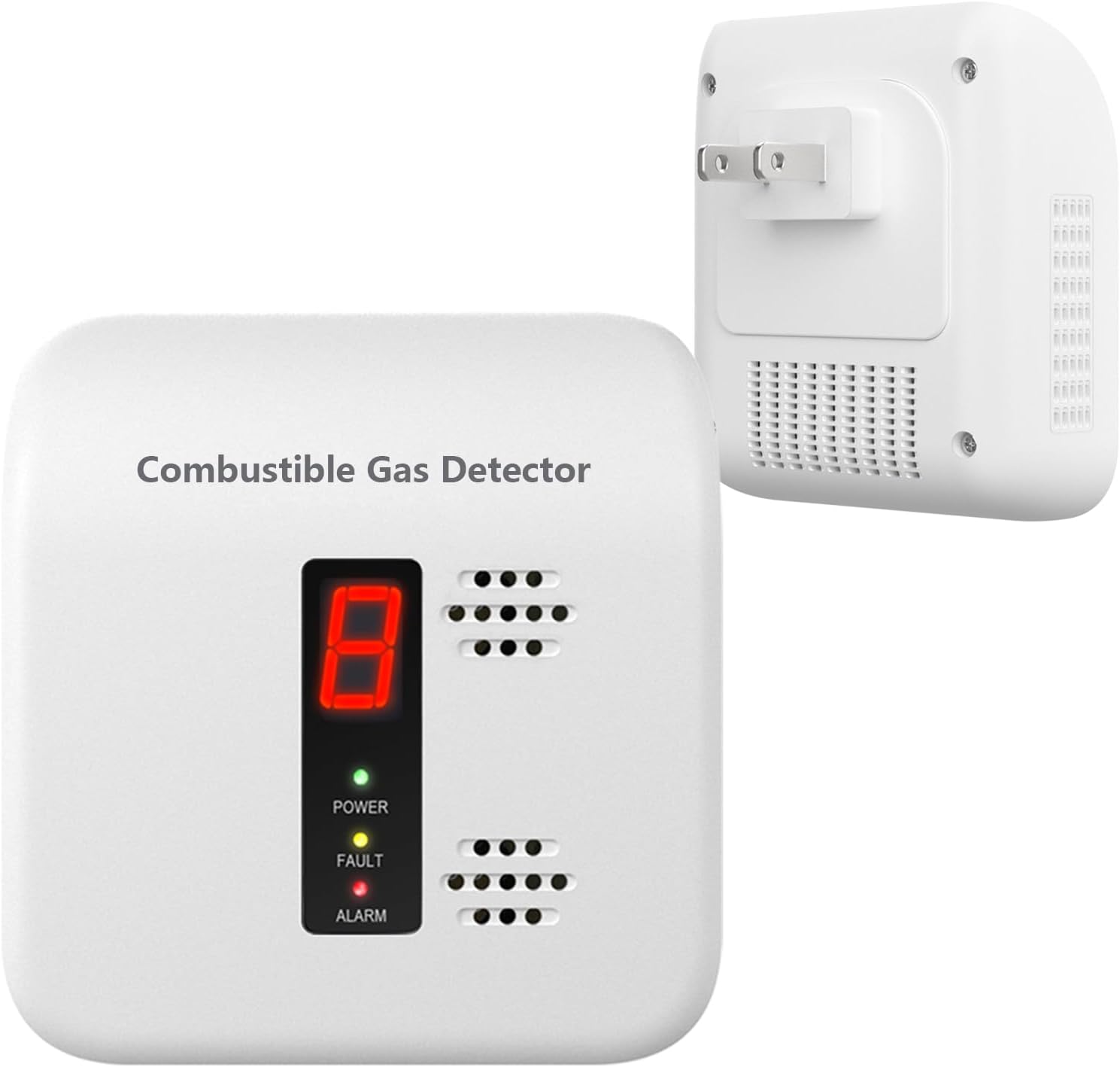
Carbon monoxide monitoring is critical for:
- Attached garages connected to living spaces
- Garages used for warm-up or short engine runs
- Spaces with fuel-powered equipment
Smart CO sensors provide alerts even when no one is present, reducing the risk of dangerous gas buildup migrating into the home.
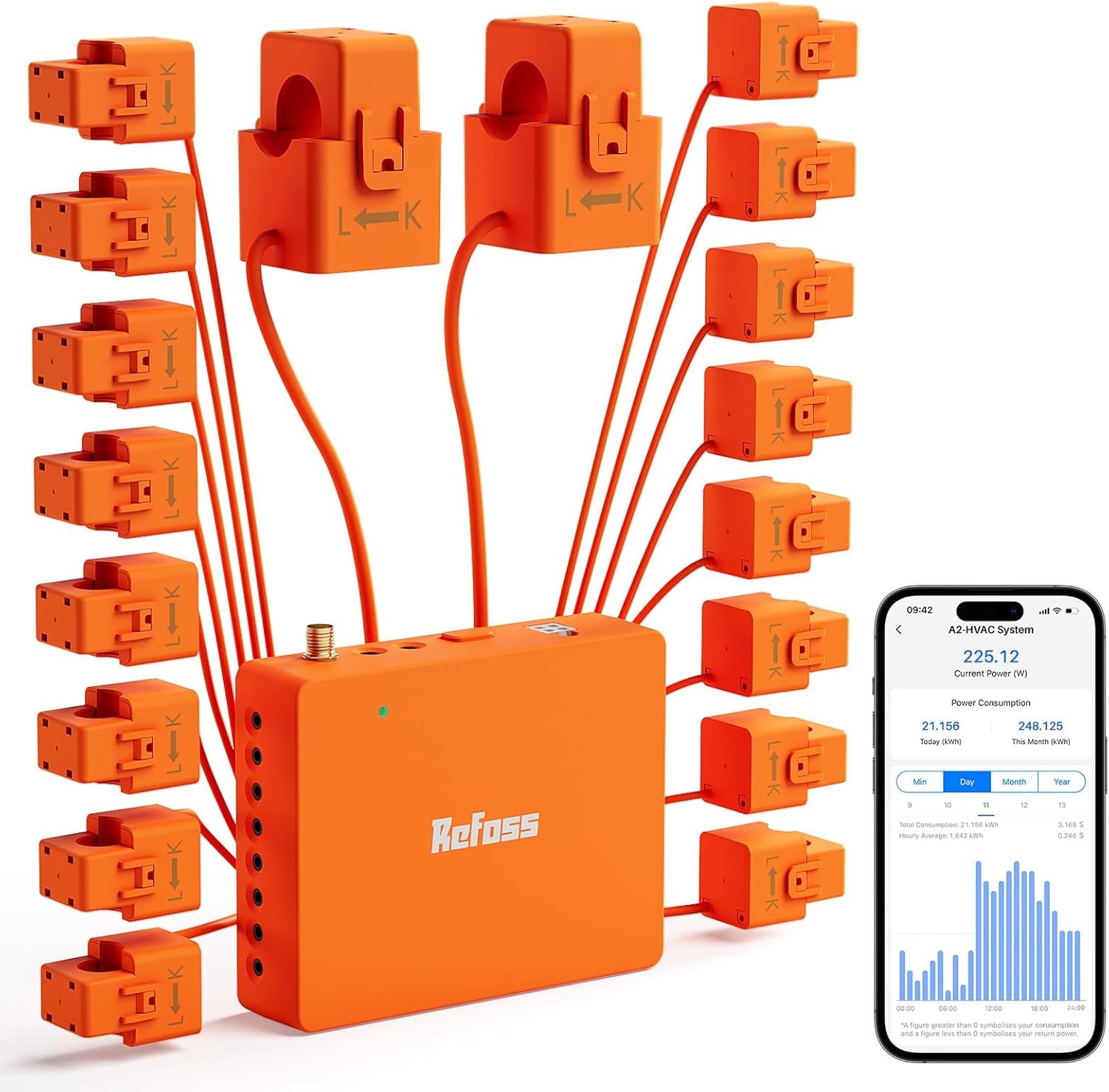
Trend Monitoring vs Single Alerts
One-time alerts are useful, but trends are more valuable.
Trend analysis allows:
- Identification of recurring humidity cycles
- Detection of insulation or ventilation issues
- Seasonal adjustment of thresholds
Smart garages benefit from monitoring patterns over time rather than reacting to isolated readings.
Common Mistakes With Environmental Monitoring
- Placing sensors too high or too low
- Ignoring humidity in cold climates
- Failing to monitor floor-level water
- Setting alert thresholds too aggressively
Poor placement or tuning often leads to false alerts or missed warnings.
Final Takeaway
Environmental monitoring turns slow, invisible damage into actionable information. By tracking temperature, humidity, water intrusion, and air quality, a smart garage protects tools, vehicles, and structures long before problems become obvious.
Related Products