Smart Garage Power Monitoring: Know When Things Fail Before Damage Happens
Power issues are one of the most overlooked risks in garages. Unlike living spaces, garages are often fed by subpanels, shared circuits, or long exterior runs, making them more vulnerable to outages, breaker trips, and voltage instability.
Most garage power failures go unnoticed until something stops working or is already damaged. Freezers thaw, batteries fail to charge, tools sit in damp conditions, and network equipment drops offline with no warning.
Smart power monitoring exists to turn invisible electrical problems into immediate, actionable information.
This article explains:
- Why garages are uniquely prone to power issues
- What smart power monitoring actually detects
- How monitoring prevents real-world damage
- How to integrate power visibility into a smart garage
Why Garages Lose Power More Often
Garages are commonly wired differently than interior rooms.
Typical risk factors include:
- Detached structures with long feeder runs
- Shared circuits with heavy equipment
- Subpanels with limited capacity
- Outdoor-rated wiring exposed to temperature swings
Breaker trips, loose connections, and voltage drops are more likely in these environments. Without monitoring, these events often go undetected for hours or days.
What Smart Power Monitoring Actually Does
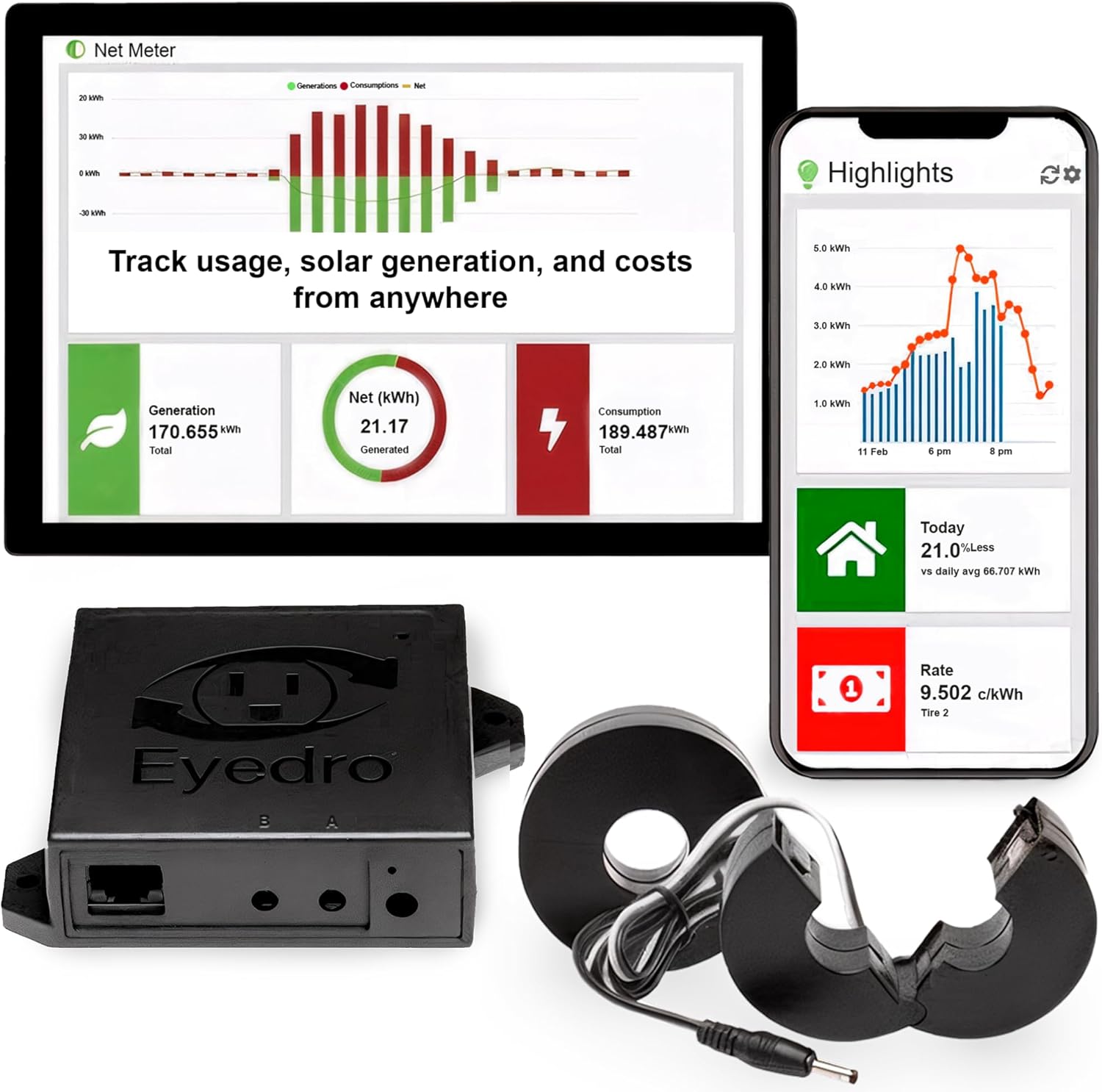
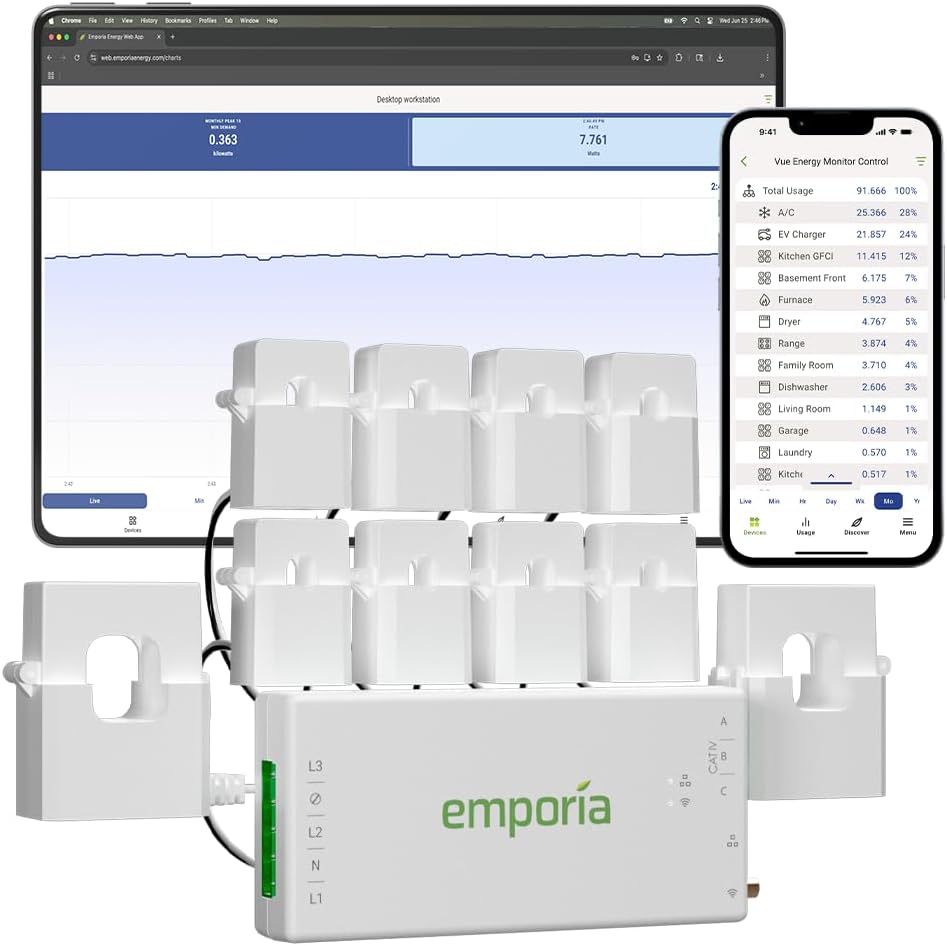
Smart power monitoring does more than tell you whether power is on or off.
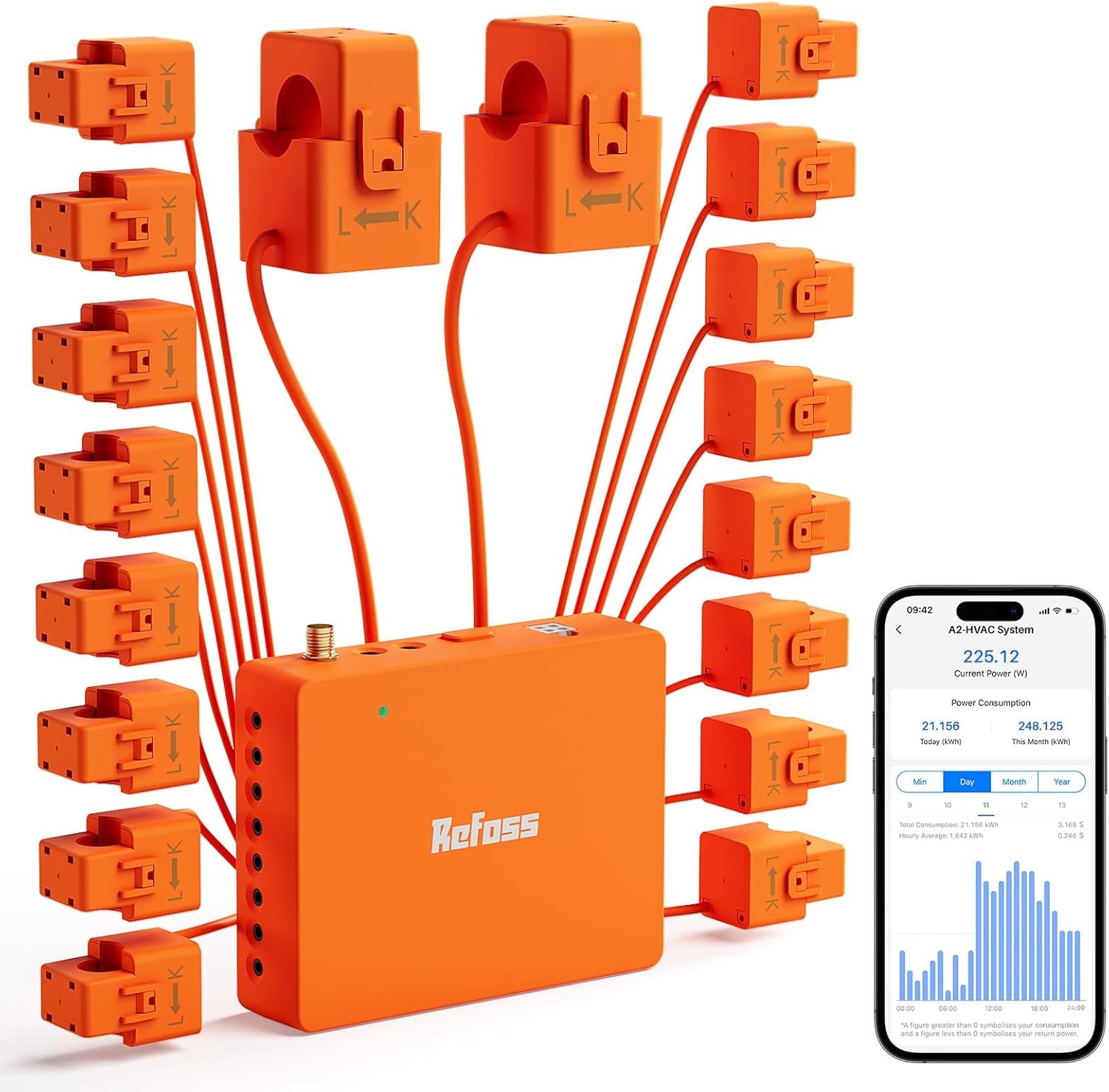
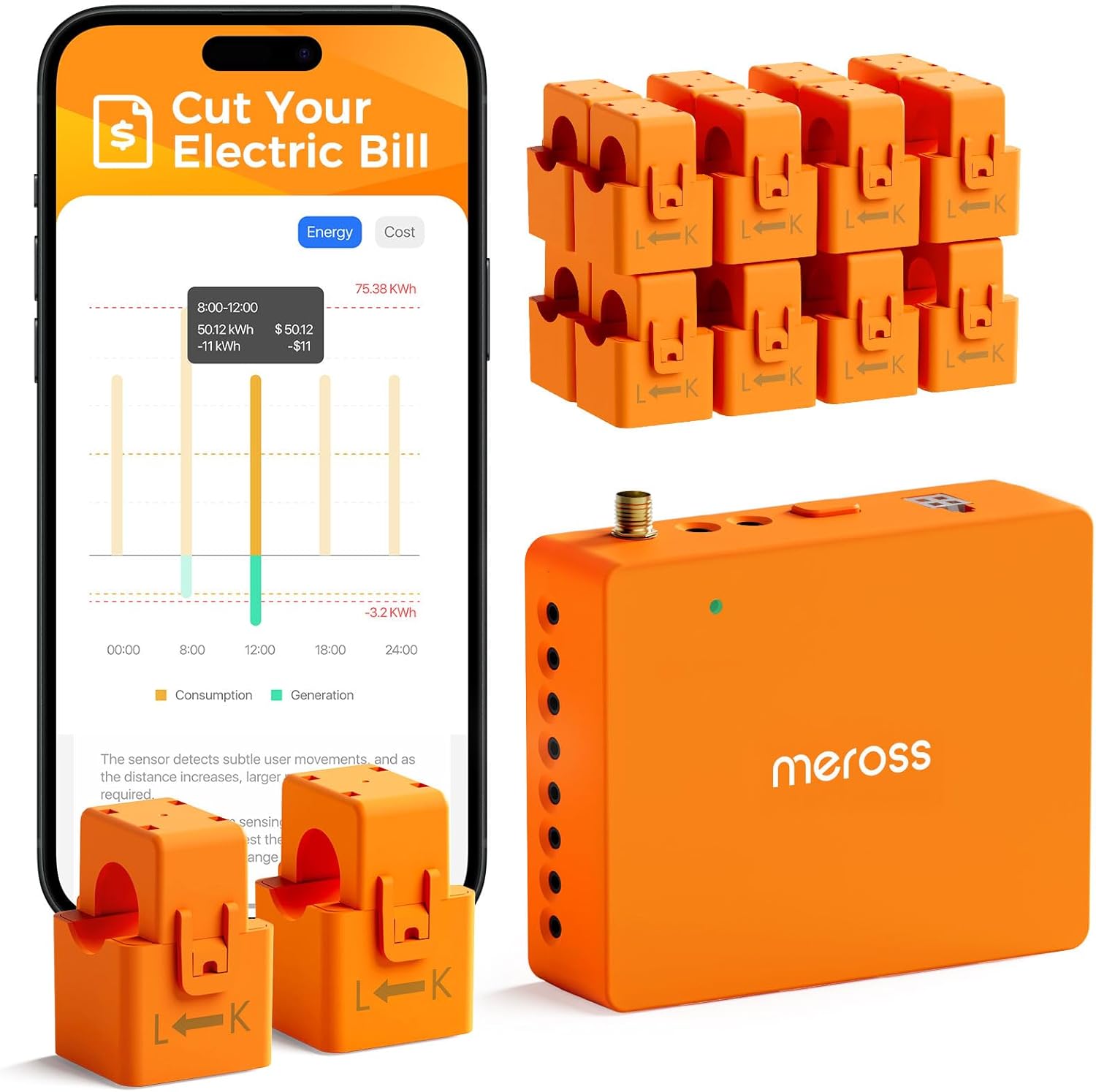
Well-designed systems can detect:
- Total power loss
- Individual circuit outages
- Abnormal voltage conditions
- Unexpected equipment runtime changes
This information allows the garage to report problems immediately instead of relying on visual inspection.
Why Silent Power Failures Cause the Most Damage
When power fails quietly, damage accumulates without warning.
Common consequences include:
- Freezers thawing and refreezing
- Battery chargers stopping mid-cycle
- Moisture buildup due to inactive ventilation
- Network and automation systems dropping offline
By the time these problems are discovered, the damage is often already done. Smart monitoring converts silent failure into early intervention.
Monitoring Equipment Runtime and Load
Beyond outages, power monitoring can track how long equipment runs and how much load it draws.
This is useful for:
- Detecting compressors that short-cycle
- Identifying heaters stuck on
- Spotting tools drawing abnormal current
- Confirming chargers are operating correctly
Changes in runtime patterns often indicate mechanical or electrical issues before complete failure occurs.
Power Monitoring During Outages and Recovery
A smart garage should behave predictably during power interruptions.
Good monitoring systems:
- Clearly report when power is lost
- Log outage duration
- Confirm clean recovery when power returns
Unexpected behavior after power restoration — such as equipment restarting unexpectedly — should be immediately visible.

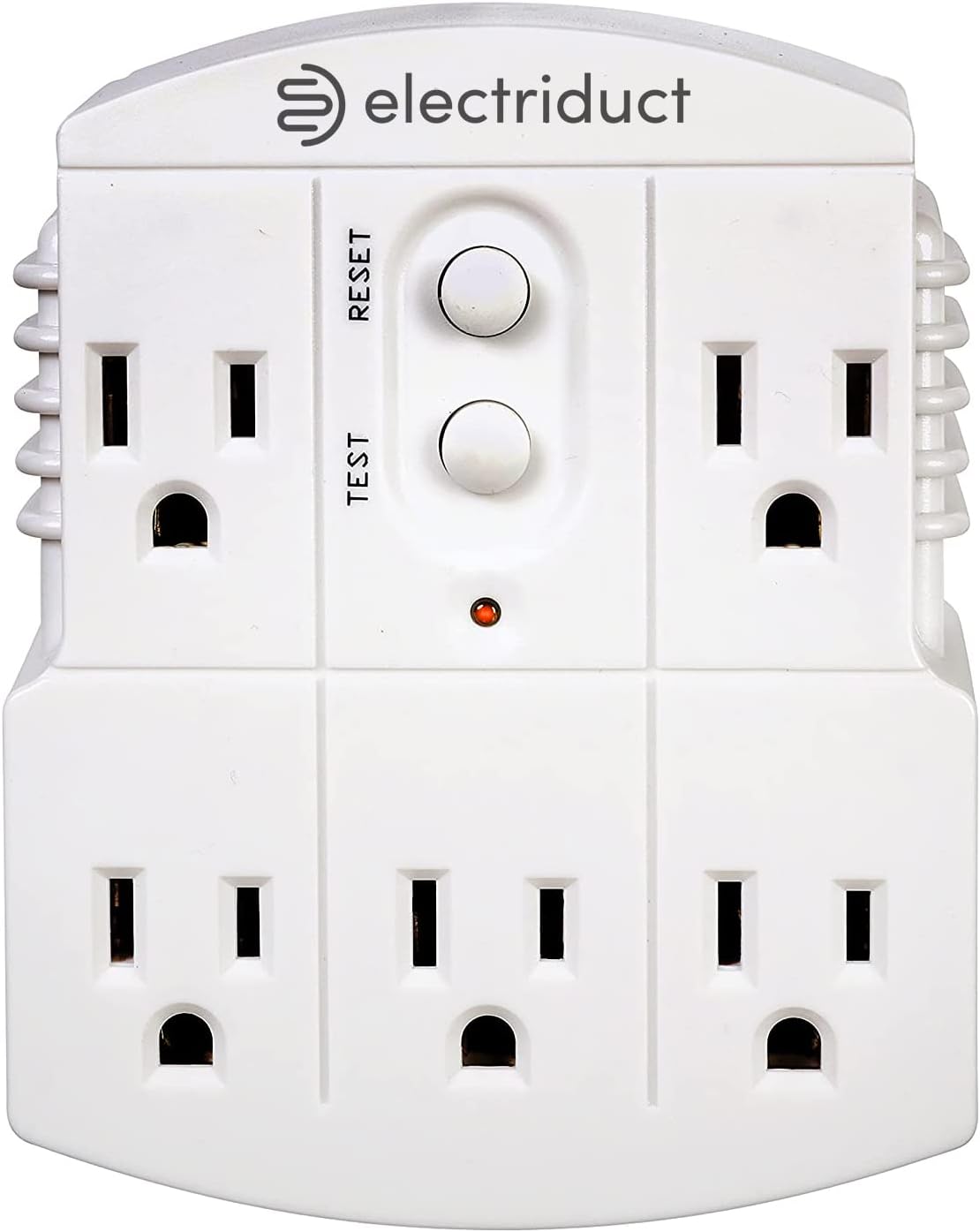
Integrating Power Monitoring With Other Systems
Power visibility becomes more valuable when combined with other smart garage systems.
Common integrations include:
- Temperature alerts tied to power loss
- Notifications if chargers stop unexpectedly
- Automation pauses during outages
This prevents false alerts and ensures systems respond intelligently to electrical events.
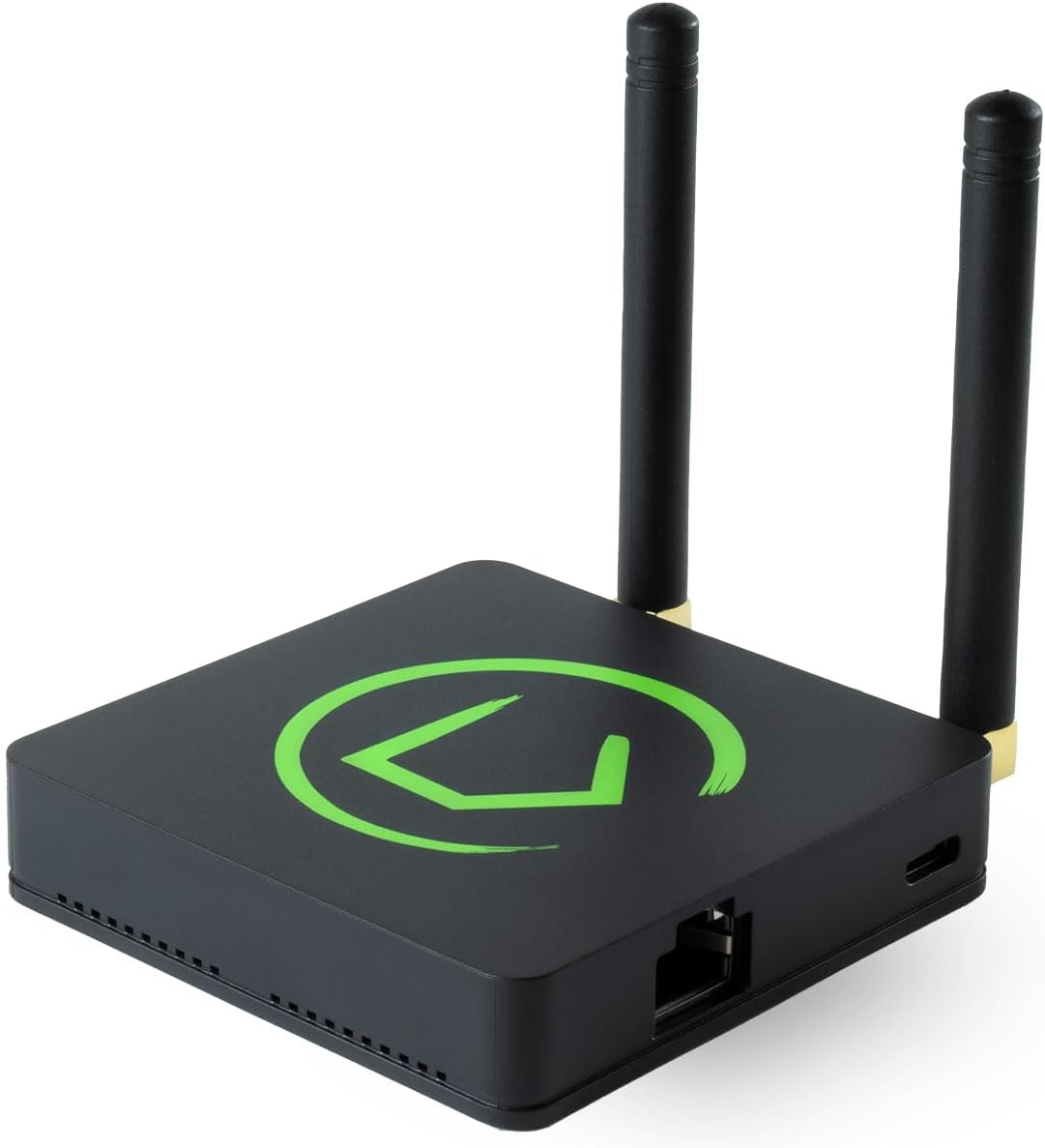
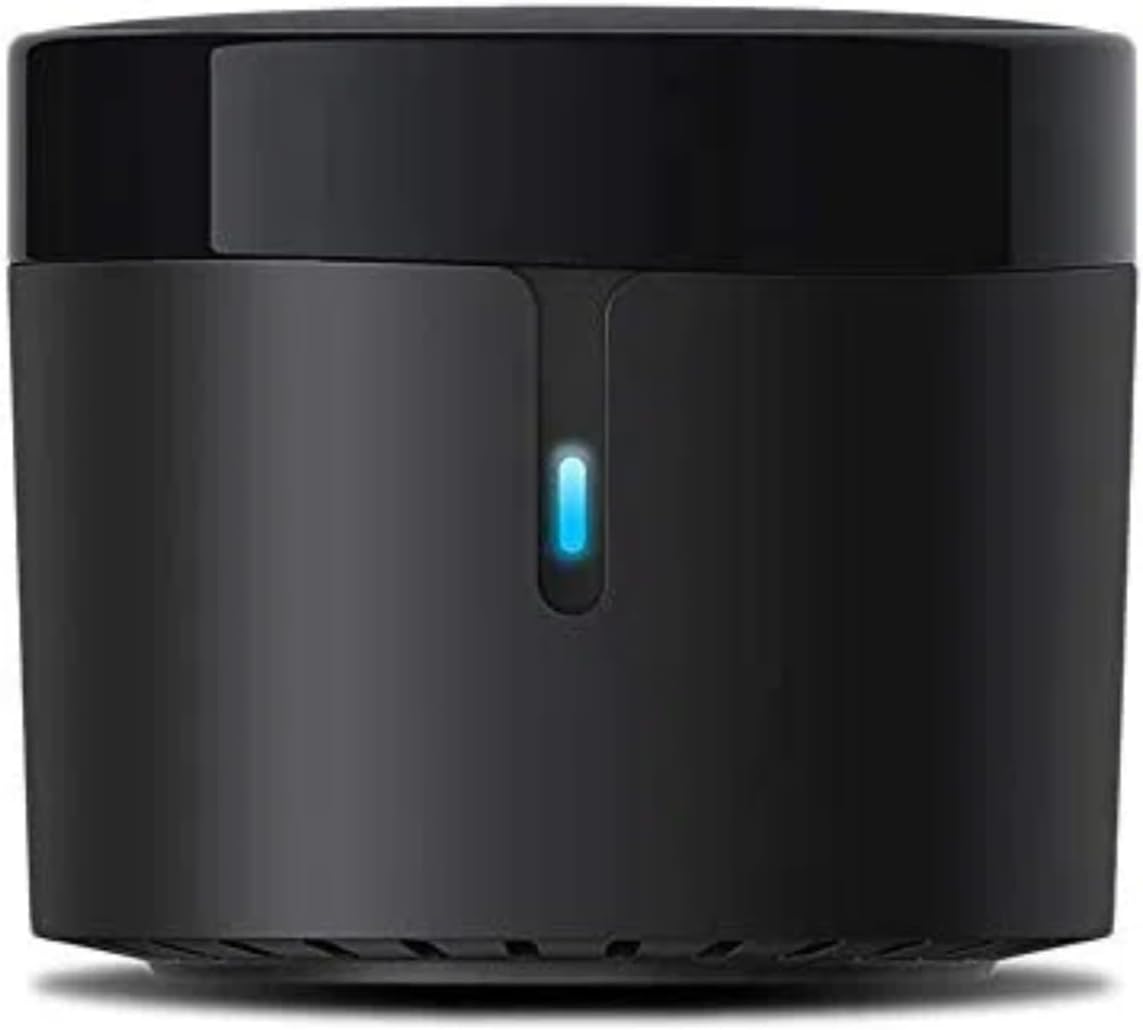


Common Mistakes With Garage Power Monitoring
- Monitoring only a single outlet
- Ignoring voltage quality
- Failing to test outage notifications
- Assuming monitoring replaces proper wiring
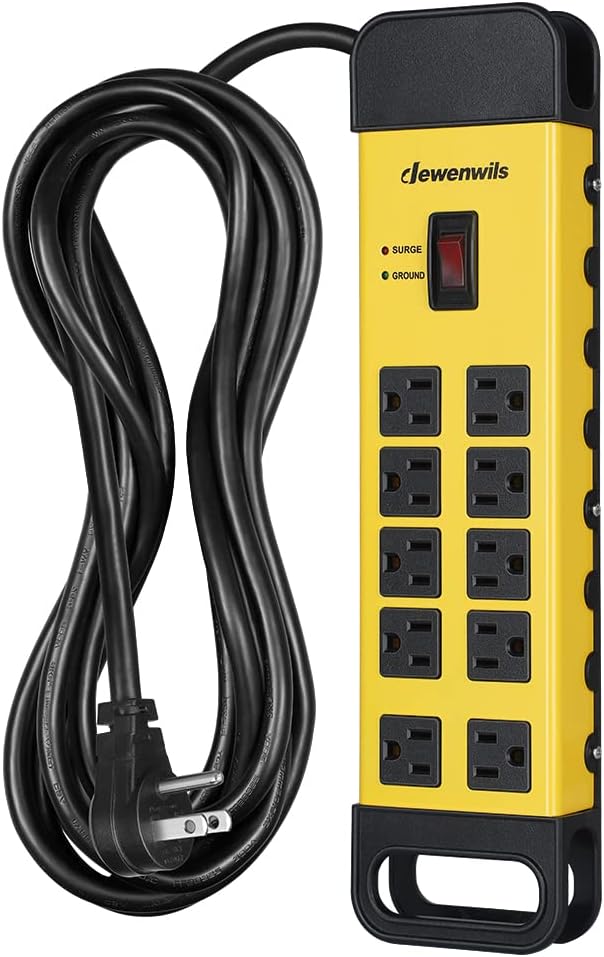
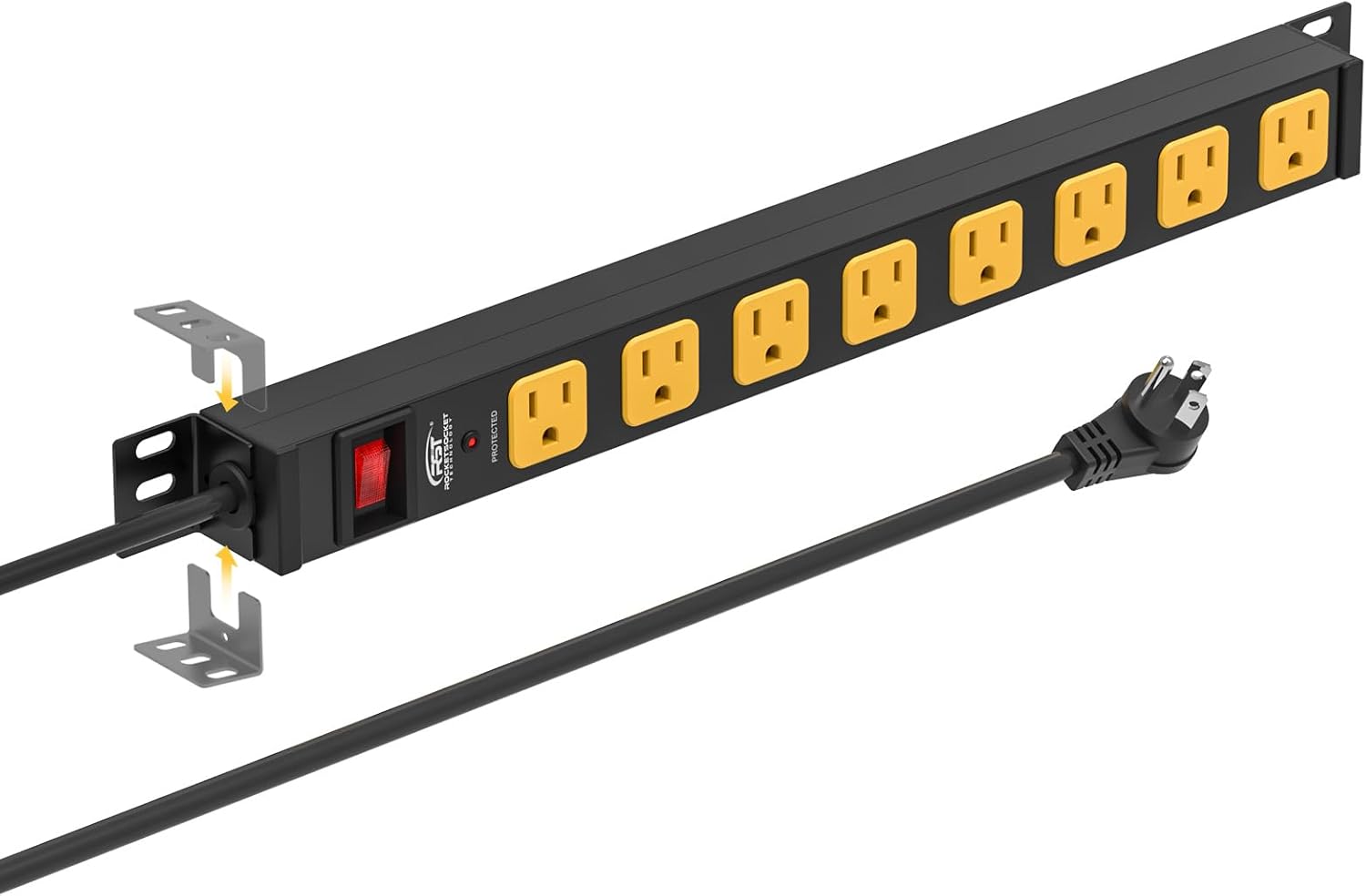
Monitoring provides visibility, not protection. Electrical issues must still be corrected at the source.
Final Takeaway
Smart power monitoring is about awareness, not automation. By knowing when power fails, degrades, or behaves abnormally, a smart garage prevents damage that would otherwise go unnoticed. Power visibility is a foundational layer of any reliable smart garage setup.
Related Products