What Makes a Garage “Smart” in 2026? (And What Actually Matters)
The term “smart garage” has become almost meaningless. It’s commonly used to describe a single Wi‑Fi device, a phone app, or a voice command — but none of those things actually make a garage smart on their own.
A truly smart garage is a system. It is designed to give you awareness of what’s happening, control when you need it, and early warnings when something is wrong. This matters more in garages than almost any other part of the home, because garages are typically detached or semi‑detached, experience extreme temperatures, and house expensive equipment, vehicles, and tools.
If your garage fails silently, it can cost you money, time, or security. A smart garage is built specifically to prevent that.
This article is intended as a cornerstone reference. It explains:
- What a smart garage actually is (and what it is not)
- The core systems that define a smart garage
- Why each system matters in real-world use
- Common mistakes that cause “smart” garages to fail
What a Smart Garage Actually Means
A smart garage is a space that can reliably answer three questions at any moment:
- Is everything operating normally right now?
- Can I safely control or intervene if needed?
- Will I be alerted early if something changes?
These questions seem simple, but most garages cannot answer them. Traditional garages provide no feedback unless you physically enter the space.
A smart garage is NOT:
- Just a Wi‑Fi garage door opener
- A handful of smart plugs with no coordination
- A system that only works when the internet is perfect
- A gadget demo with no reliability or redundancy
Smartness comes from feedback, monitoring, and sensible automation working together.
The Five Core Pillars of a Smart Garage
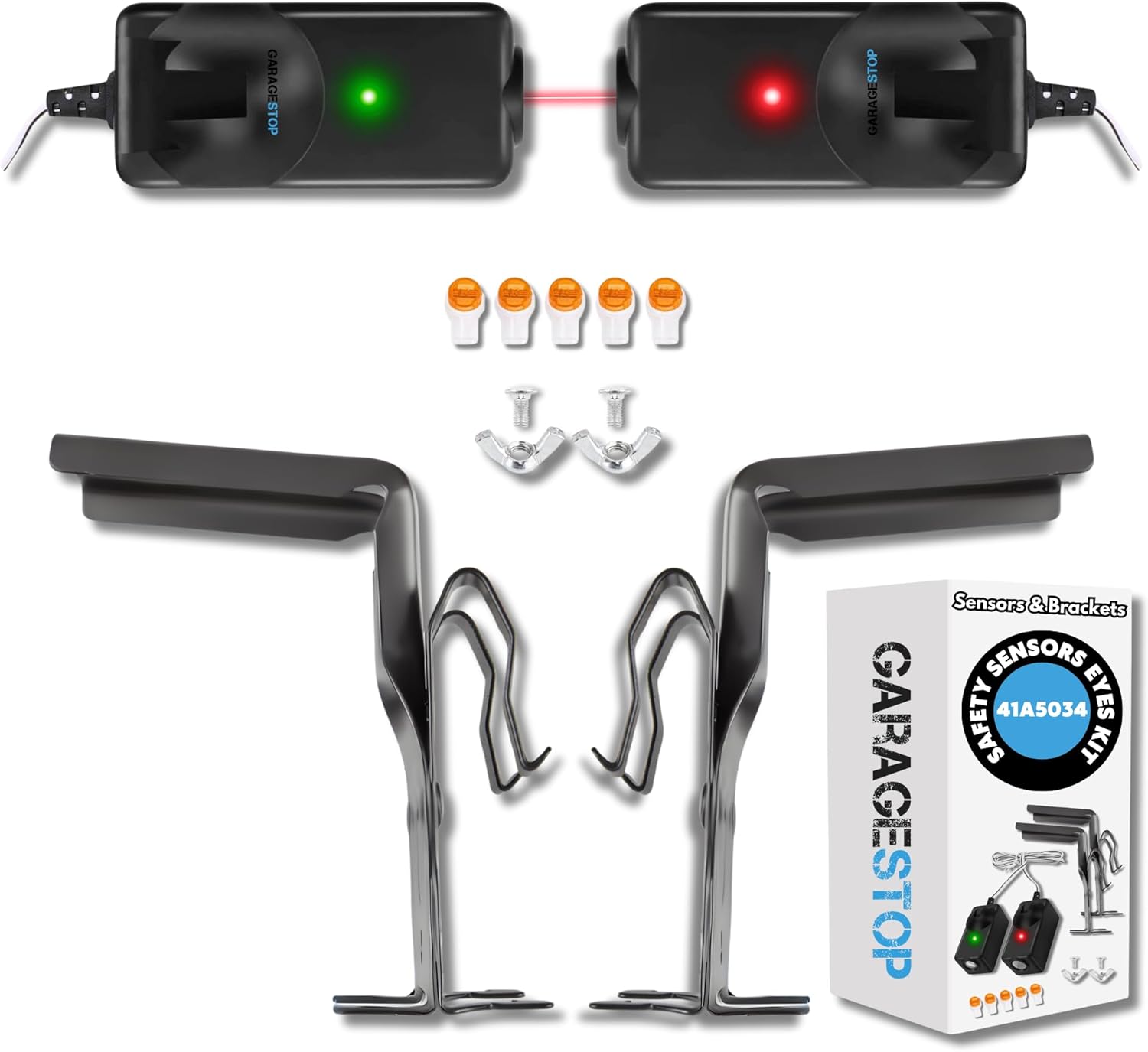
1. Garage Door Awareness Comes First
The garage door is the largest moving component in most homes and one of the most common points of failure.
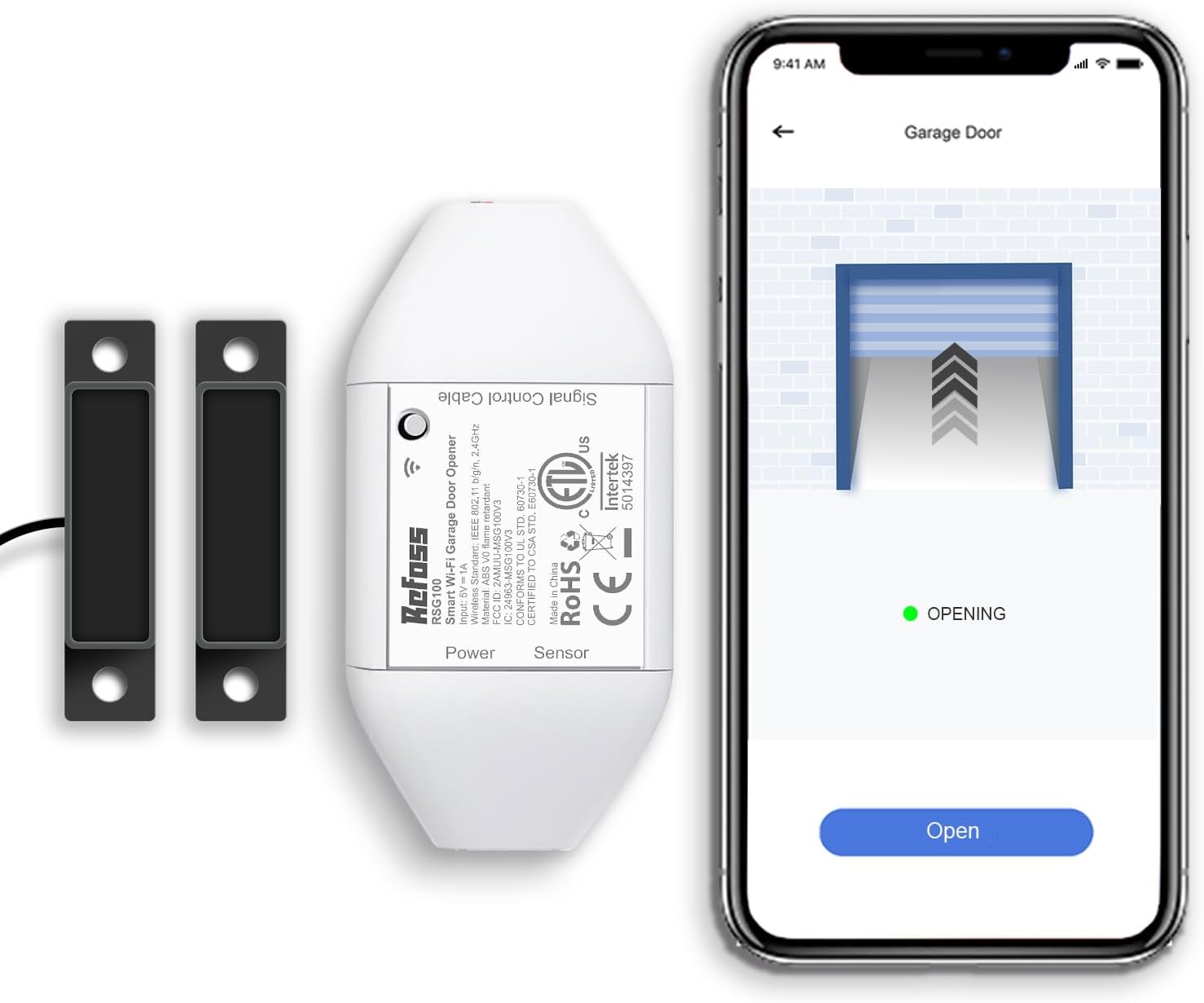
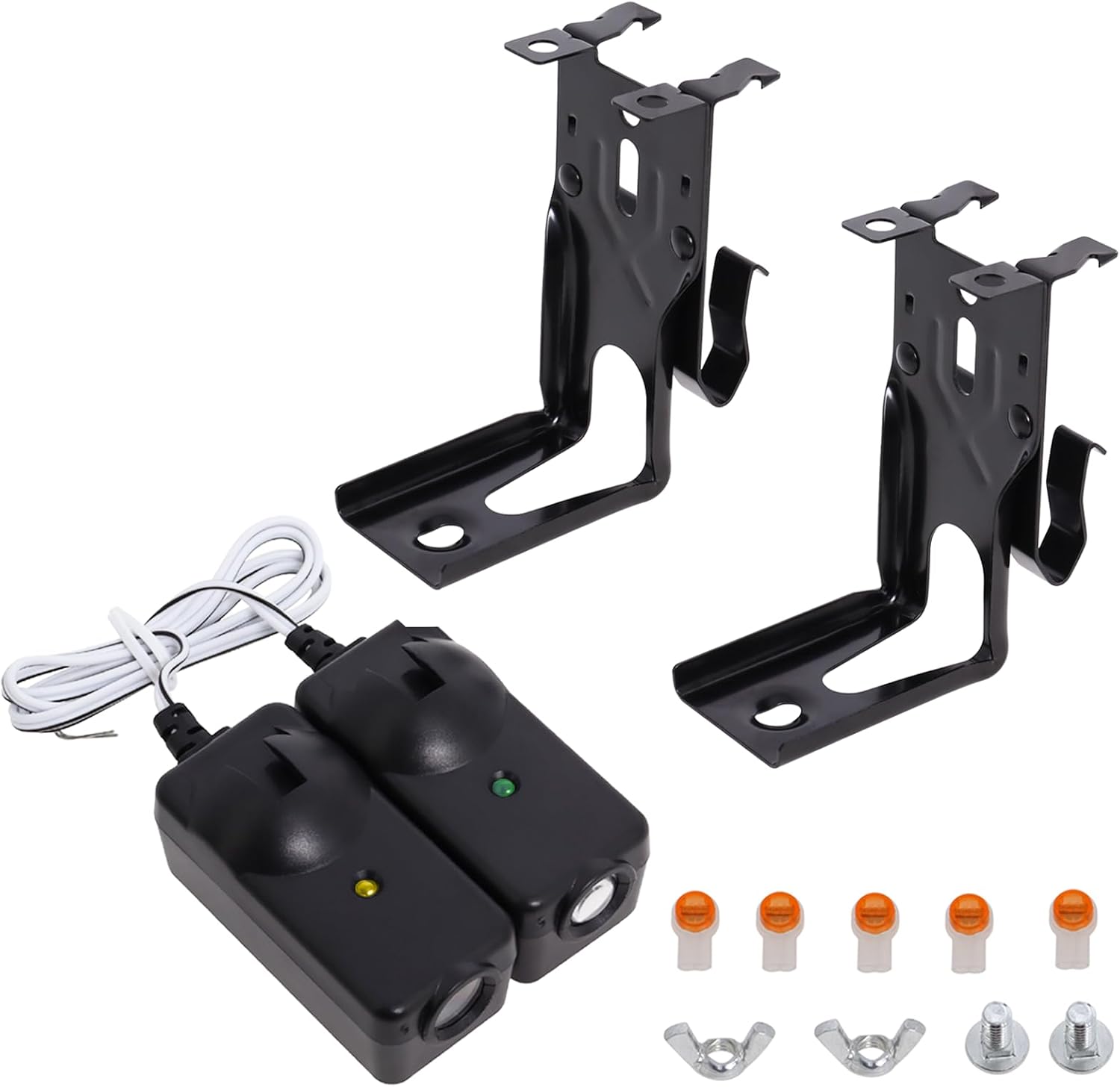
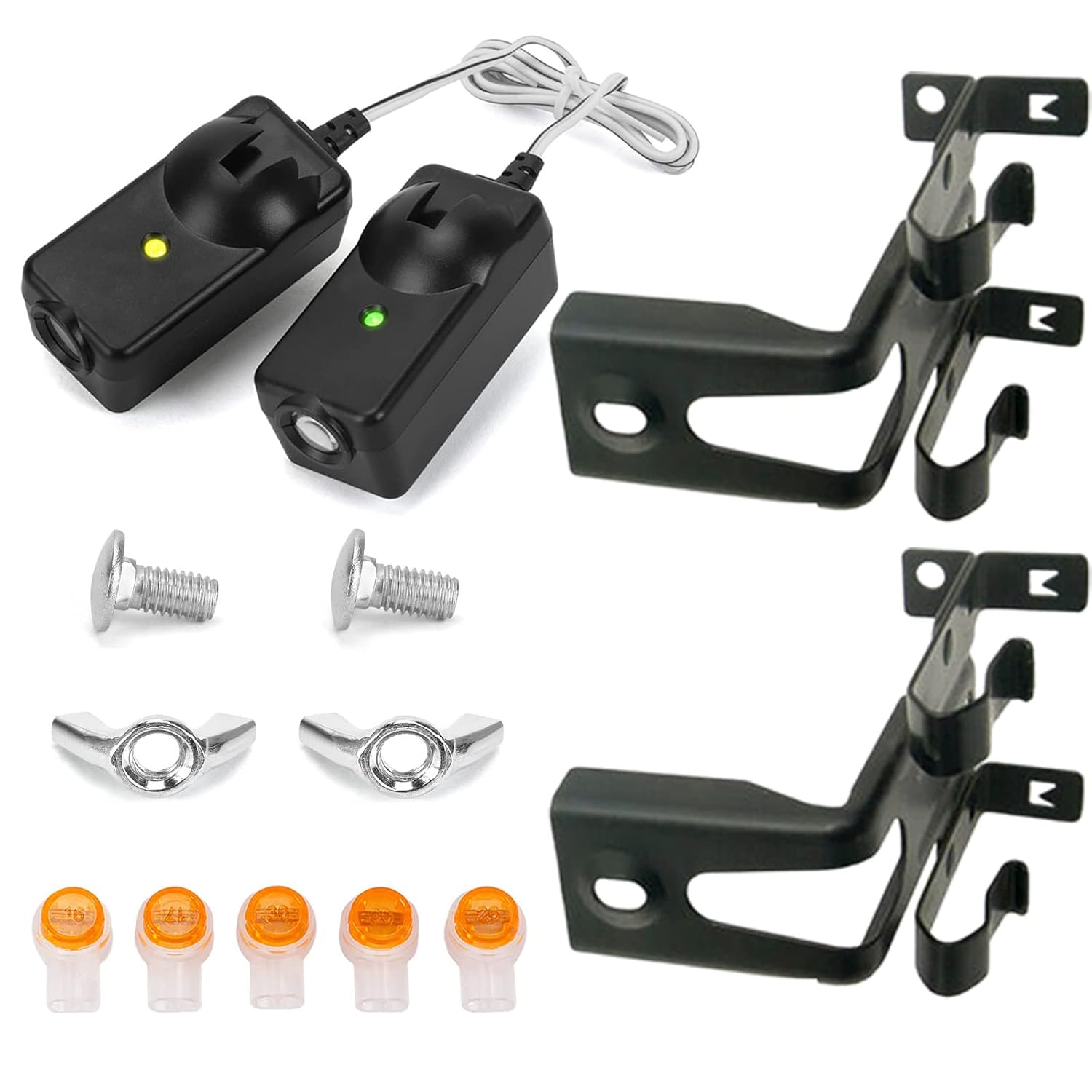
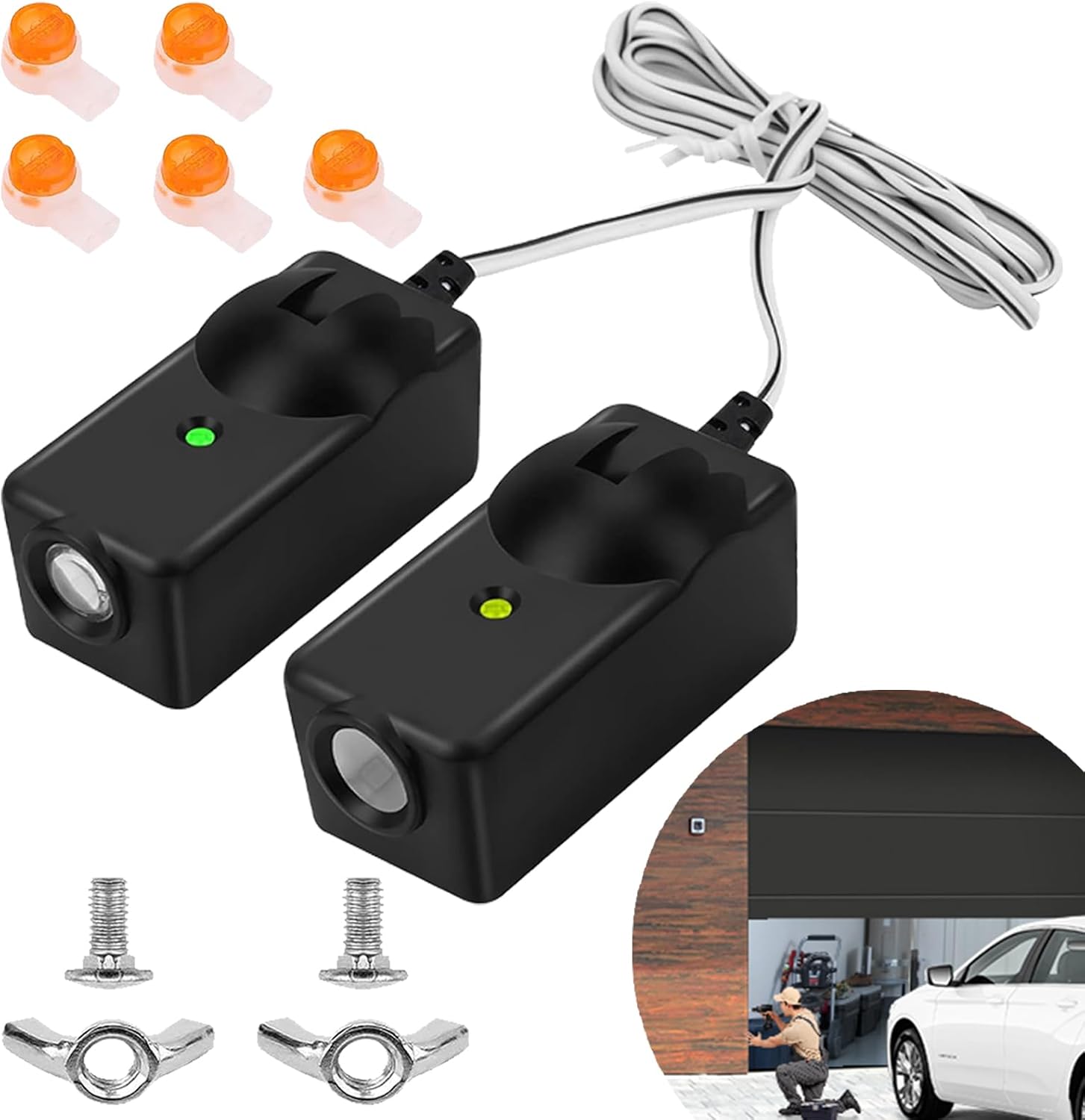
Door awareness means more than remote control. A smart garage must always know the true physical state of the door.
At minimum, the system should track:
- Open vs closed position
- Failed or incomplete close attempts
- Time since last movement
Without reliable feedback, remote control becomes dangerous. A system that reports “closed” when the door is partially open provides false security — which is worse than no system at all.
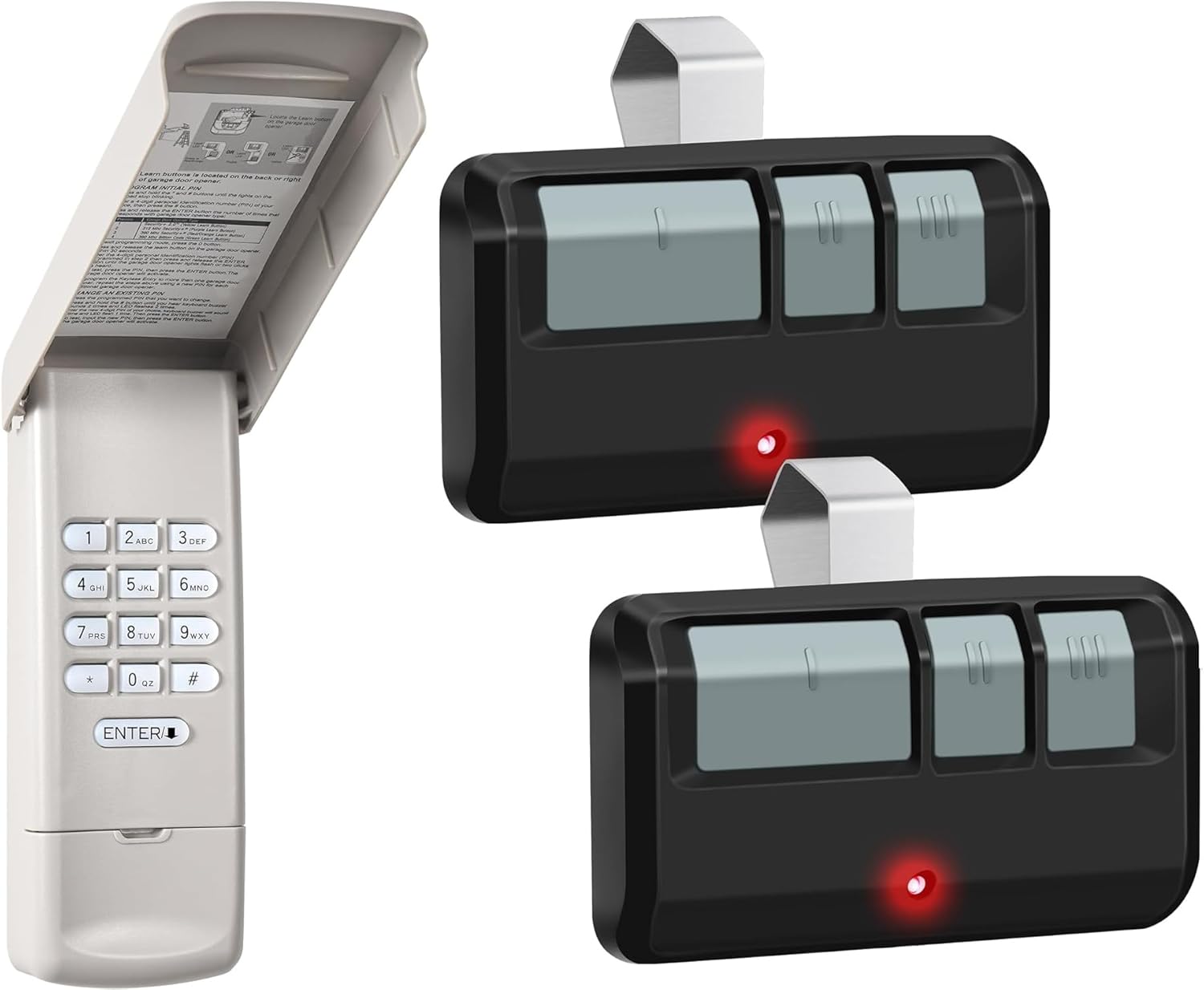
Door awareness also enables higher-level automation, such as alerts for doors left open overnight or automatic closure after inactivity.


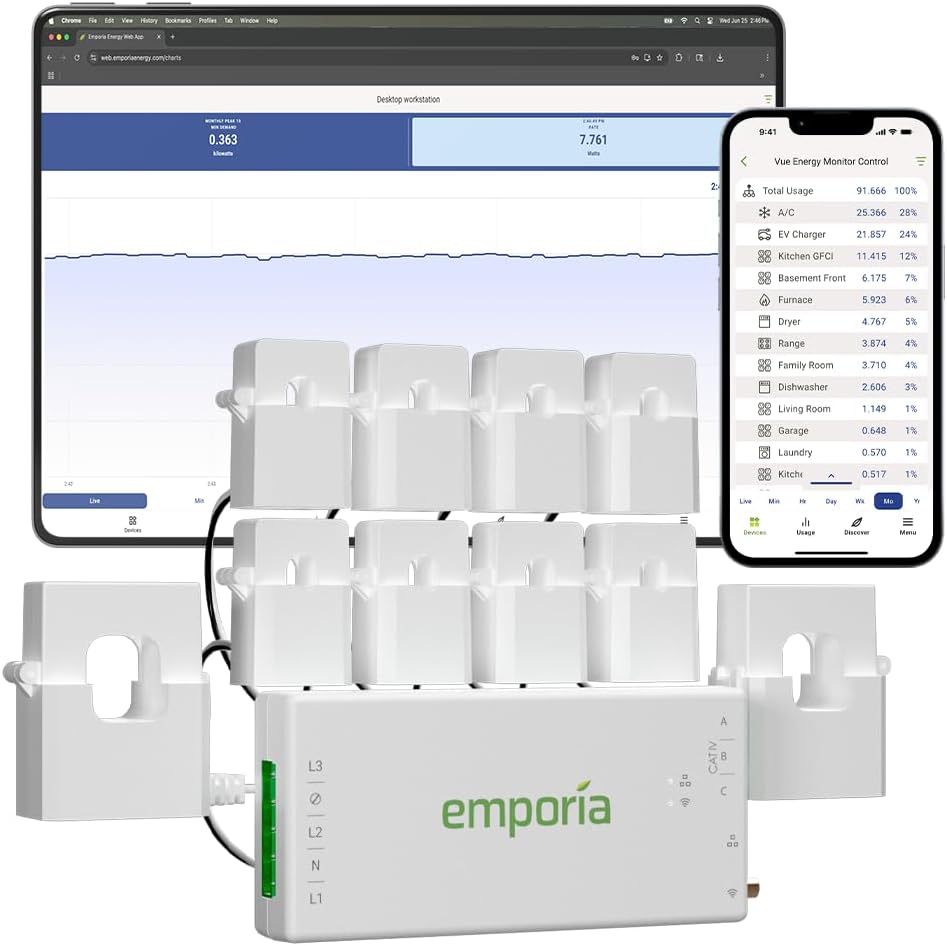
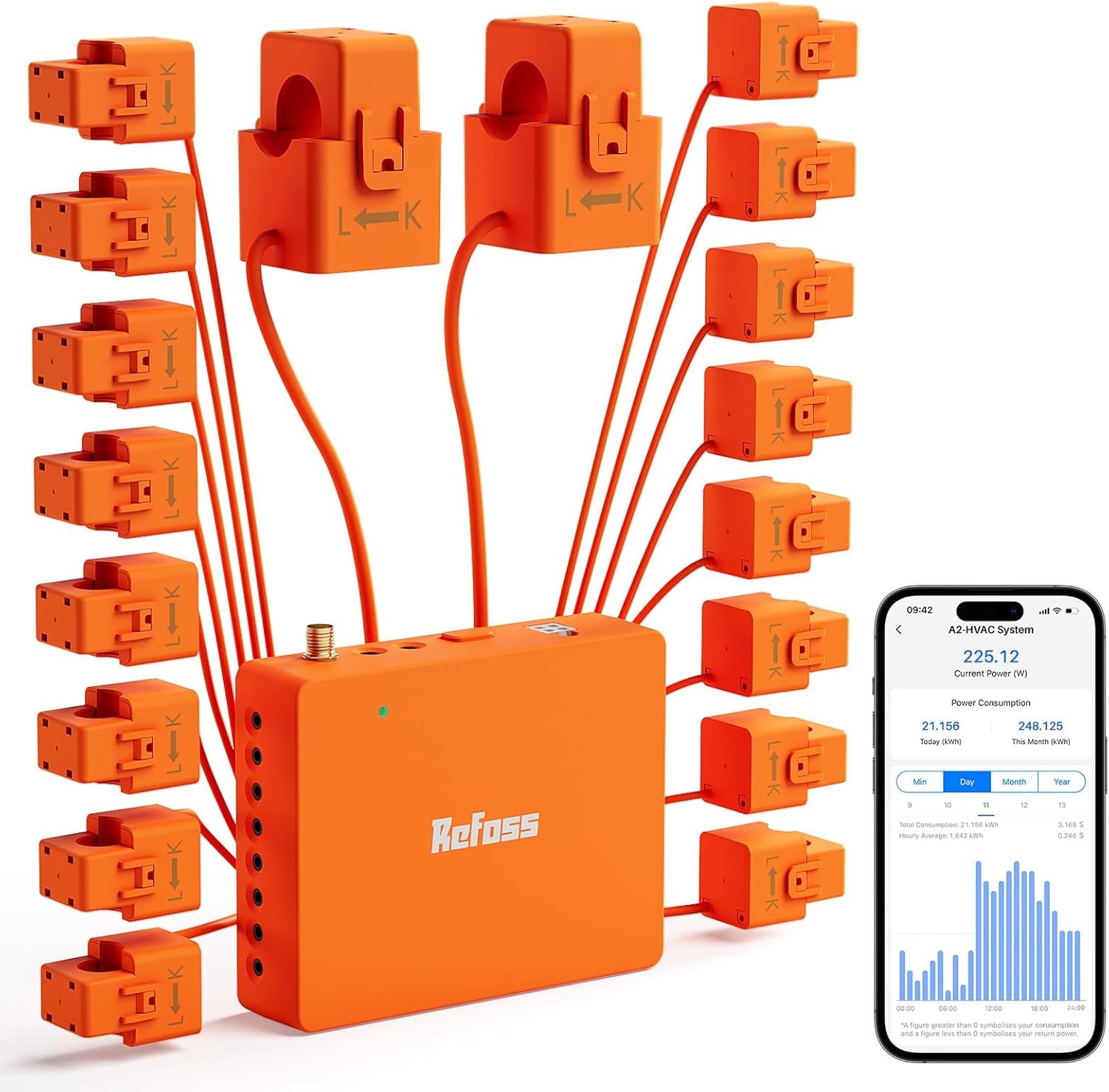
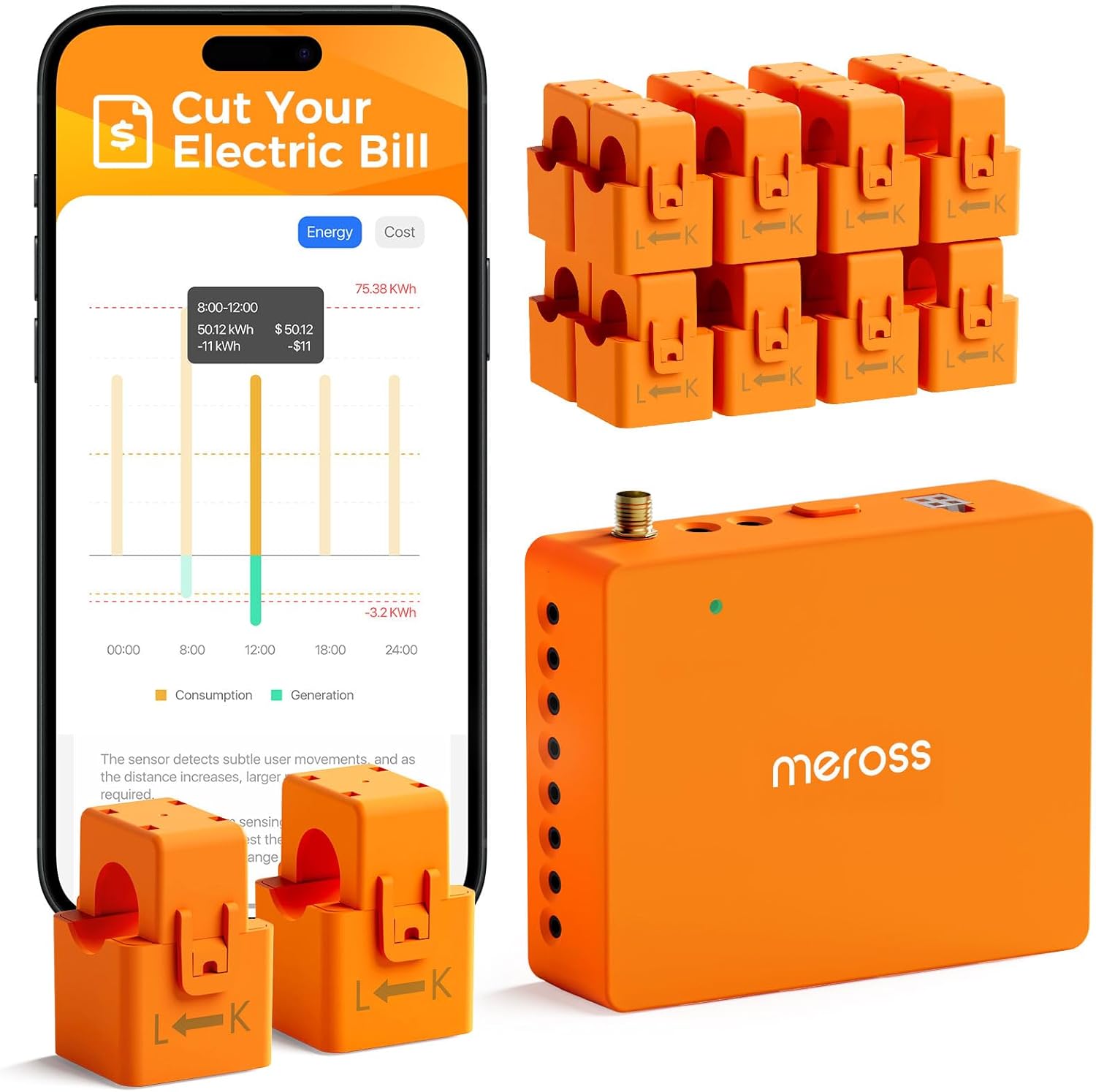
2. Power Visibility and Electrical Reliability
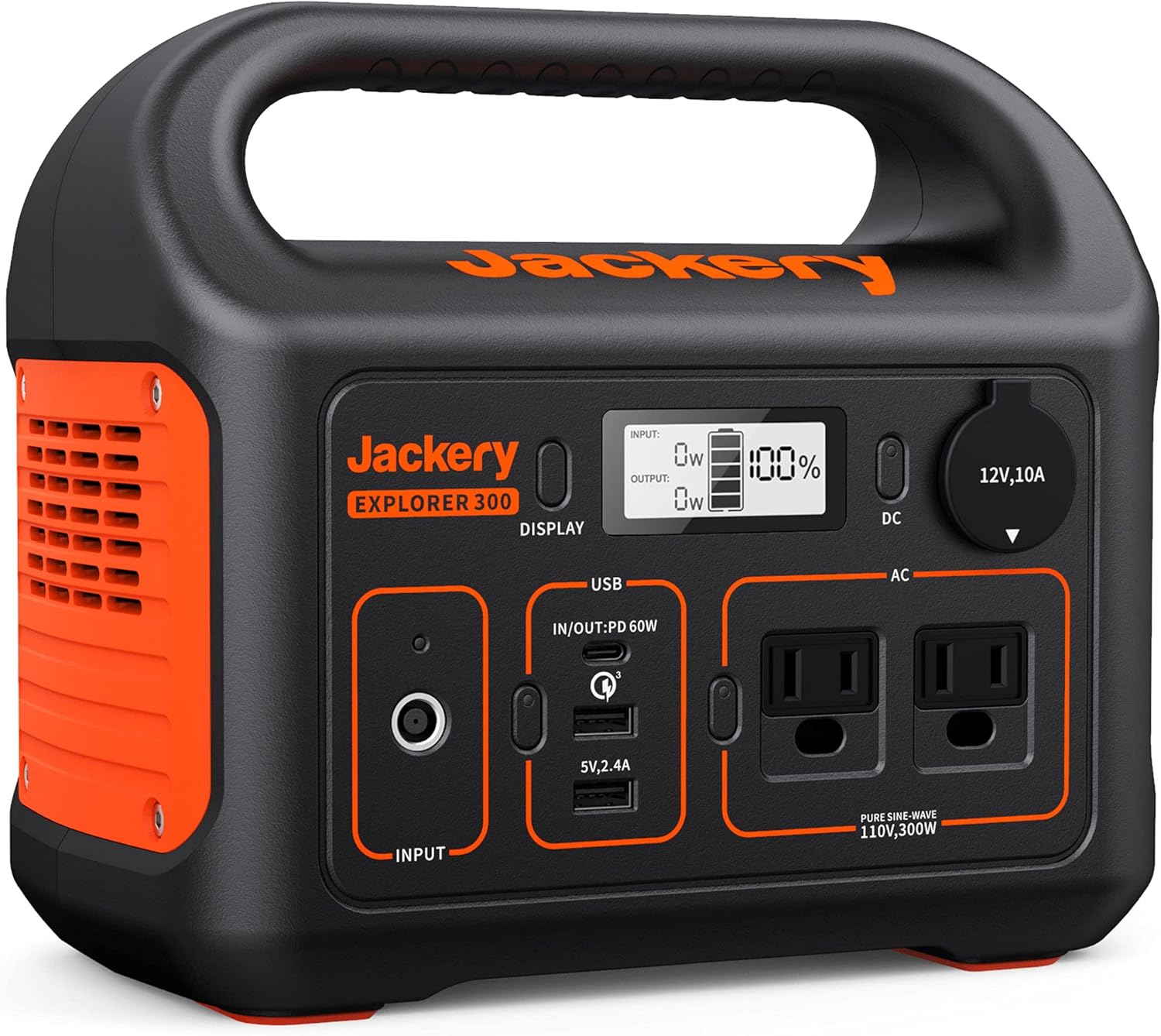
Garages frequently lose power due to shared circuits, subpanels, outdoor runs, or overloaded equipment.
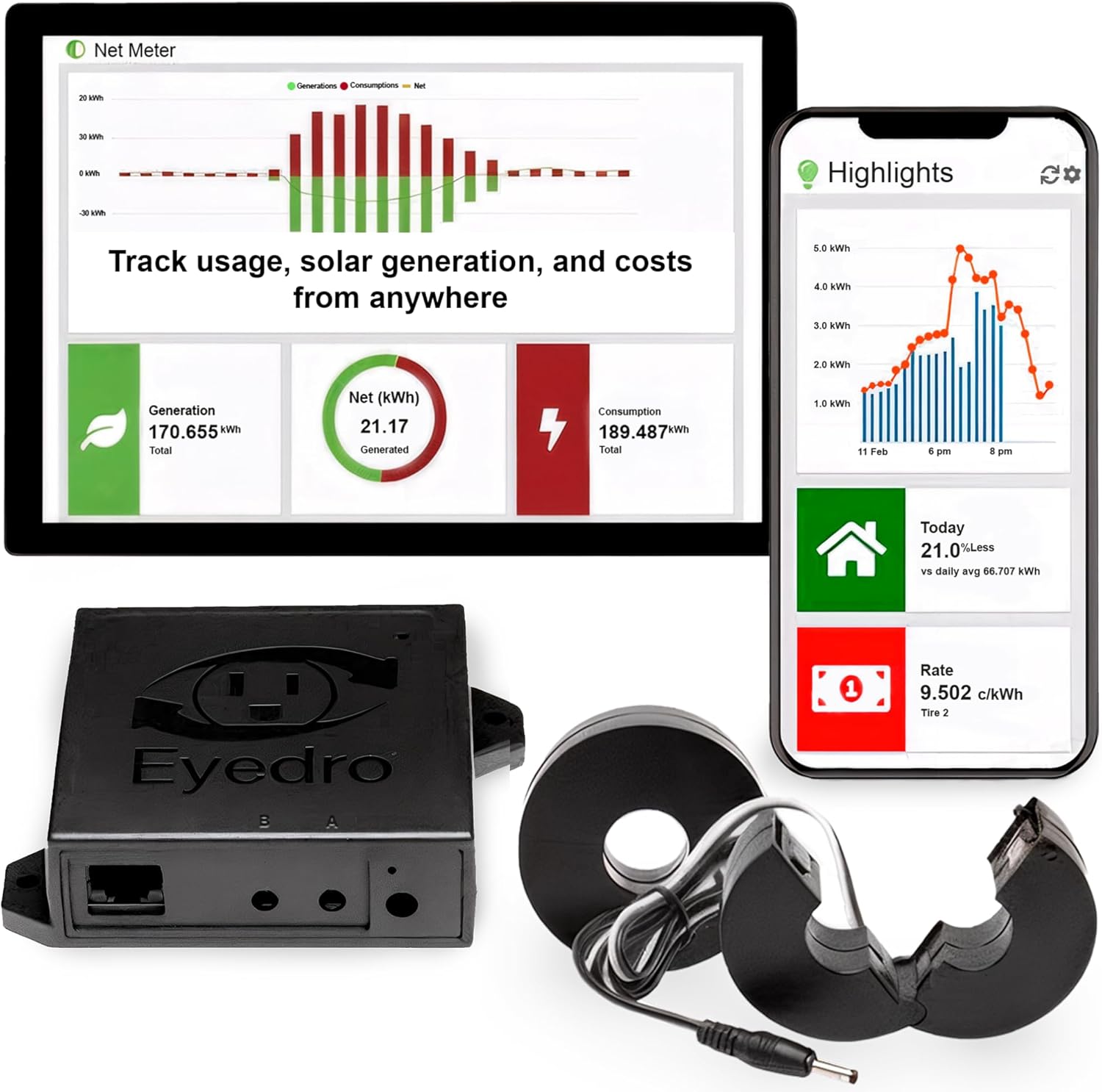
Power visibility allows the garage to report:
- Complete power loss
- Breaker trips
- Abnormal voltage events
- Runtime of connected equipment
This is critical if your garage contains:
- Freezers or refrigerators
- Battery chargers or EV equipment
- Air compressors or welders
- Network gear or servers
Without monitoring, these failures are often discovered too late. Smart garages turn silent electrical problems into immediate alerts.
3. Environmental Awareness
Garages are exposed to wider temperature swings, higher humidity, and increased moisture compared to interior rooms.
Environmental awareness allows the garage to detect conditions that damage property over time, including:
- Freezing temperatures that can burst pipes
- Excessive humidity that rusts tools and vehicles
- Water intrusion from floor-level leaks
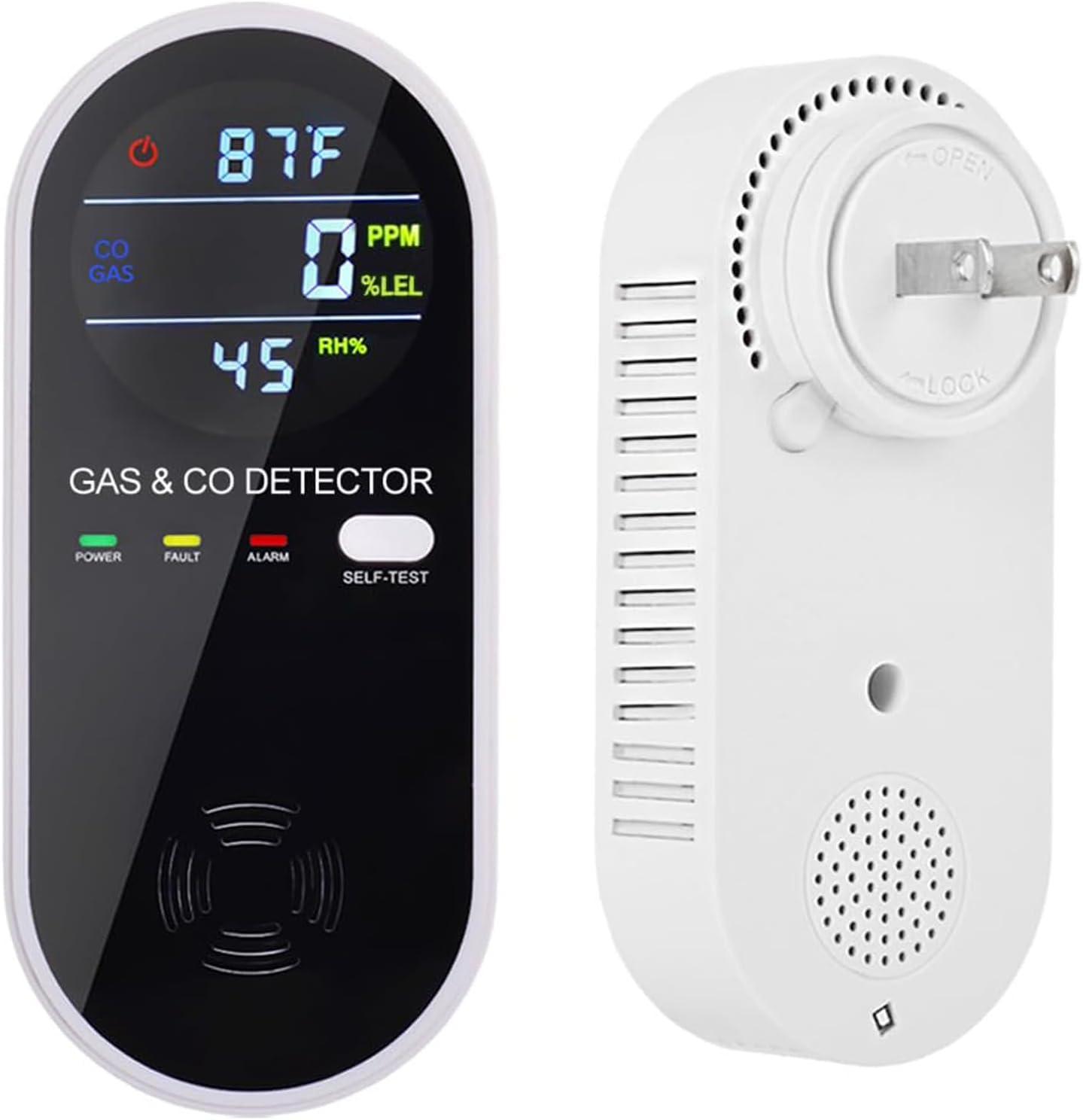
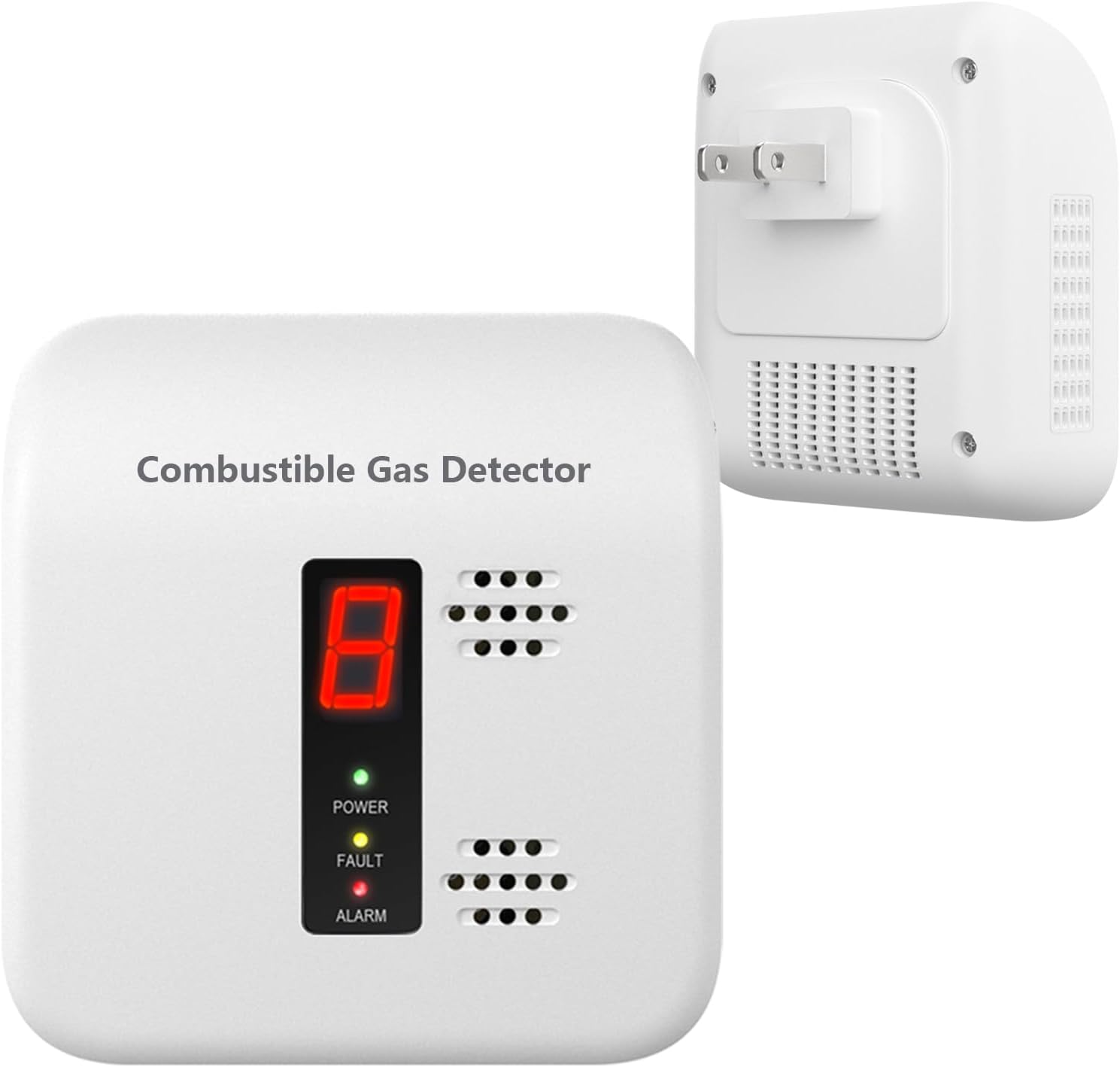
- Carbon monoxide buildup in attached garages
These problems often develop slowly and invisibly. Sensors convert long-term damage into early warnings that can be acted on immediately.
4. Network Stability as a Foundation
Most smart garage failures are not caused by bad devices — they are caused by unreliable connectivity.
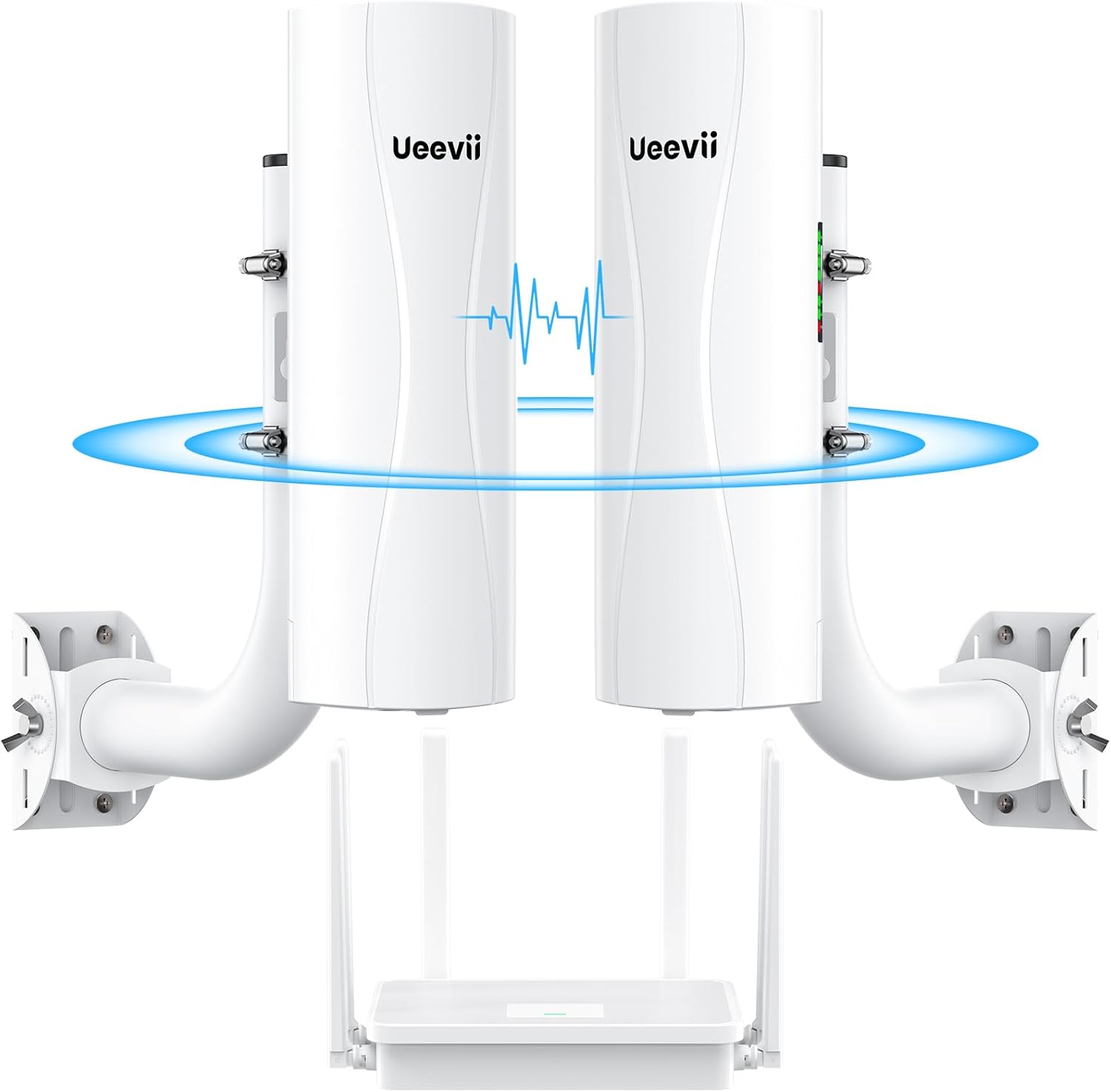
Garages are often the farthest point from the router, sometimes shielded by concrete, metal doors, or exterior walls.
A smart garage requires:
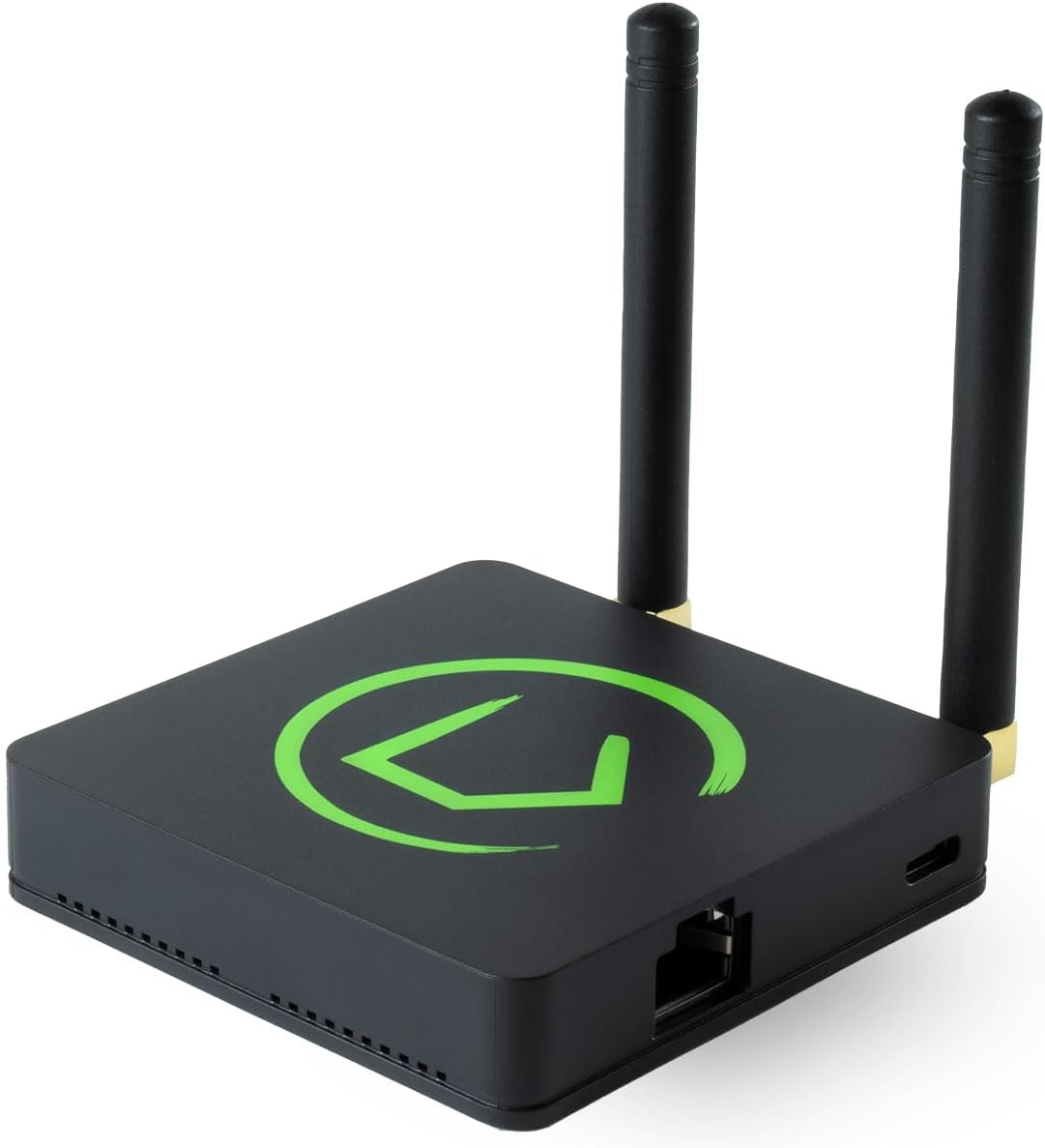
- Consistent Wi‑Fi or wired Ethernet
- Sufficient signal strength for sensors
- Local control options when possible
If connectivity is unreliable, automations fail, alerts are delayed, and device states become inaccurate. Network stability is not optional — it is foundational.
5. Automation That Reduces Mental Load
The purpose of automation is not novelty. It is to reduce the number of things you must remember or manually check.
Effective smart garage automations include:
- Auto‑closing doors after a configurable delay
- Alerting when temperature crosses safe limits
- Notifying on unexpected activity while away
Poor automation creates notification fatigue and is often disabled entirely. Good automation works quietly and only speaks up when it matters.
Common Mistakes That Break Smart Garages
- Relying on cloud-only control with no fallback
- Ignoring power-loss behavior during outages
- Installing devices without environmental sensors
- Over-automating routine events
Final Takeaway
A smart garage is not built by accident. It is designed intentionally around awareness, reliability, and useful automation. When done correctly, it becomes one of the most valuable smart spaces in the home — protecting vehicles, tools, equipment, and peace of mind.
Related Products